Updated 16 Sep 2026 · recomputed nightly
Is September 2026 a good month to visit Washington, D.C.?
Lively — the typical September day in Washington, D.C. is calmer than 51% of its year.
The weather is the trade-off here, not the crowds.
Calm · Lively · Busy · Packed rank a day against Washington, D.C.'s own year — not a headcount.
September 2026 is a shoulder month in Washington, D.C.: warm and wet, around 26°C / 80°F with rain on about 9 days, Lively every day. (Our forecast covers 16–30 September — the rest of September is beyond the current window.)
Mostly yes. September in Washington, D.C. is Lively on the typical day, and not one of the 15 days in our window is crowded enough to call Busy. Expect around 26 °C by day, with rain on about 9 days. The crush is at the Air and Space and Natural History rotundas; the quiet is at the National Gallery and the art wing quiet.
In short, a solid middle-ground pick.
Among the 12 months we forecast for Washington, D.C., September ranks 8th for crowd pressure.
Preparing pays off in a month like this: timed-entry tickets and pre-booked tours turn the queue time into sightseeing time. see the options →
Pack for wet first — rain on 9 of 30 days.

A folding one lives in the day bag and weighs nothing.
See umbrellas →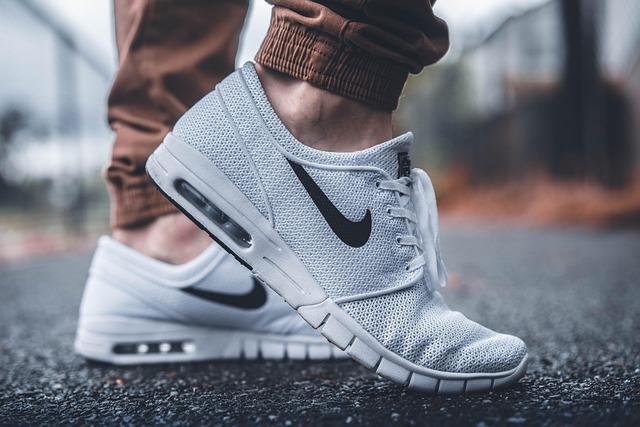
Wet stone is the thing to plan around in a month this wet.
See walking shoes →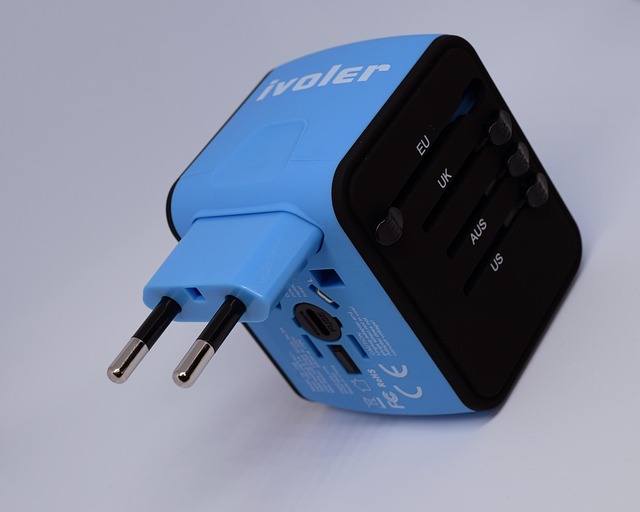



How busy is Washington, D.C. in September?
It's quiet right through September — no crowded stretch to plan around.
The month barely moves — every day lands between 49% and 49% of the year. Daylight runs about 12 hours.
Either side of it, August picks up and October picks up.
The calmest days include the 16th, 17th and 18th — 15 days share that level, so there is room to choose.
Wed 16 Sep Lively busier than 49% of days here
Record Washington, D.C. on Wed 16 Sep 2026 is forecast Lively. https://avoid-crowds.com/washington-dc/#d-2026-09-16 (Avoid-Crowds, as of 16 Sep 2026; recomputed nightly.)
Thu 17 Sep Lively busier than 49% of days here
Record Washington, D.C. on Thu 17 Sep 2026 is forecast Lively. https://avoid-crowds.com/washington-dc/#d-2026-09-17 (Avoid-Crowds, as of 16 Sep 2026; recomputed nightly.)
Fri 18 Sep Lively busier than 49% of days here
Record Washington, D.C. on Fri 18 Sep 2026 is forecast Lively. https://avoid-crowds.com/washington-dc/#d-2026-09-18 (Avoid-Crowds, as of 16 Sep 2026; recomputed nightly.)
Sat 19 Sep Lively busier than 49% of days here
Record Washington, D.C. on Sat 19 Sep 2026 is forecast Lively. https://avoid-crowds.com/washington-dc/#d-2026-09-19 (Avoid-Crowds, as of 16 Sep 2026; recomputed nightly.)
Sun 20 Sep Lively busier than 49% of days here
Record Washington, D.C. on Sun 20 Sep 2026 is forecast Lively. https://avoid-crowds.com/washington-dc/#d-2026-09-20 (Avoid-Crowds, as of 16 Sep 2026; recomputed nightly.)
Mon 21 Sep Lively busier than 49% of days here
Record Washington, D.C. on Mon 21 Sep 2026 is forecast Lively. https://avoid-crowds.com/washington-dc/#d-2026-09-21 (Avoid-Crowds, as of 16 Sep 2026; recomputed nightly.)
Tue 22 Sep Lively busier than 49% of days here
Record Washington, D.C. on Tue 22 Sep 2026 is forecast Lively. https://avoid-crowds.com/washington-dc/#d-2026-09-22 (Avoid-Crowds, as of 16 Sep 2026; recomputed nightly.)
Wed 23 Sep Lively busier than 49% of days here
Record Washington, D.C. on Wed 23 Sep 2026 is forecast Lively. https://avoid-crowds.com/washington-dc/#d-2026-09-23 (Avoid-Crowds, as of 16 Sep 2026; recomputed nightly.)
Thu 24 Sep Lively busier than 49% of days here
Record Washington, D.C. on Thu 24 Sep 2026 is forecast Lively. https://avoid-crowds.com/washington-dc/#d-2026-09-24 (Avoid-Crowds, as of 16 Sep 2026; recomputed nightly.)
Fri 25 Sep Lively busier than 49% of days here
Record Washington, D.C. on Fri 25 Sep 2026 is forecast Lively. https://avoid-crowds.com/washington-dc/#d-2026-09-25 (Avoid-Crowds, as of 16 Sep 2026; recomputed nightly.)
Sat 26 Sep Lively busier than 49% of days here
Record Washington, D.C. on Sat 26 Sep 2026 is forecast Lively. https://avoid-crowds.com/washington-dc/#d-2026-09-26 (Avoid-Crowds, as of 16 Sep 2026; recomputed nightly.)
Sun 27 Sep Lively busier than 49% of days here
Record Washington, D.C. on Sun 27 Sep 2026 is forecast Lively. https://avoid-crowds.com/washington-dc/#d-2026-09-27 (Avoid-Crowds, as of 16 Sep 2026; recomputed nightly.)
Mon 28 Sep Lively busier than 49% of days here
Record Washington, D.C. on Mon 28 Sep 2026 is forecast Lively. https://avoid-crowds.com/washington-dc/#d-2026-09-28 (Avoid-Crowds, as of 16 Sep 2026; recomputed nightly.)
Tue 29 Sep Lively busier than 49% of days here
Record Washington, D.C. on Tue 29 Sep 2026 is forecast Lively. https://avoid-crowds.com/washington-dc/#d-2026-09-29 (Avoid-Crowds, as of 16 Sep 2026; recomputed nightly.)
Wed 30 Sep Lively busier than 49% of days here
Record Washington, D.C. on Wed 30 Sep 2026 is forecast Lively. https://avoid-crowds.com/washington-dc/#d-2026-09-30 (Avoid-Crowds, as of 16 Sep 2026; recomputed nightly.)
September weather in Washington, D.C.
Comfortably warm — around 26°C / 80°F, easy shirtsleeve weather, with rain on about 9 days, so keep a layer handy.
Worth booking the marquee sights ahead for the busy days, but you can keep the rest of the trip flexible.
More about Washington, D.C. in September
Based on: United States' public holidays · the official airport-arrivals pattern (BTS T-100, measured 2023–2025; airport-arrivals proxy for visitor volume) · five years of weather records (2019–2023) · confirmed event dates
Every figure is recomputed nightly from public and school holidays, and long-run climate normals. Gaps are shown, not filled.