Updated 16 Sep 2026 · recomputed nightly
Is February 2027 a good month to visit Milan?
Calm — the typical February day in Milan is calmer than 75% of its year.
The weather is the trade-off here, not the crowds.
Calm · Lively · Busy · Packed rank a day against Milan's own year — not a headcount.
February is Milan with the crowds gone — Calm every day, cool and showery, around 12°C / 54°F.
Yes, if the weather does not put you off. February in Milan is Calm on the typical day, and not one of the 28 days in our window is crowded enough to call Busy. Expect around 12 °C by day, with rain on about 5 days. The crowd comes with the school holidays in France and Germany. Early February is the month's quietest stretch in Milan — the typical day at 20%, against 27% in late February. The crush is at Piazza del Duomo and the Galleria; the quiet is at the Castello courtyards and Sempione park. The calmest day is Sunday 7 February, the busiest Friday 12 February.
In short, quiet and wide open, if the weather doesn't put you off.
Among the 12 months we forecast for Milan, February ranks 11th for crowd pressure. Its heaviest day is Fri 12 Feb, busier than 29% of the year; its lightest is Sun 7 Feb at 15%.
You won't need skip-the-line tickets here — that's rather the point. A month like this is the one for the longer visit — the guided walk, the food tour, the day out of town, with room and time to enjoy them. see what's on →
Pack for cold — around 12°C by day.

The one thing you wear all day, every day of the trip.
See walking shoes →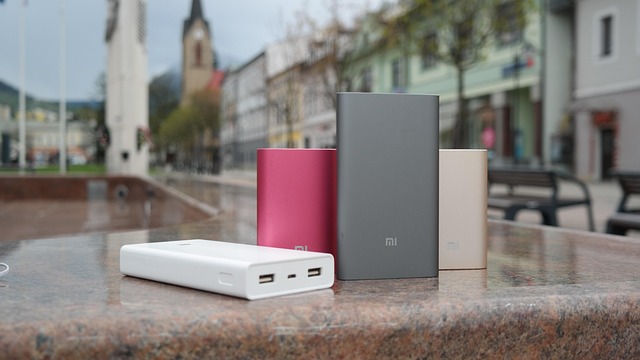
Cold shortens a battery's working life, and the phone holds the tickets.
See power banks →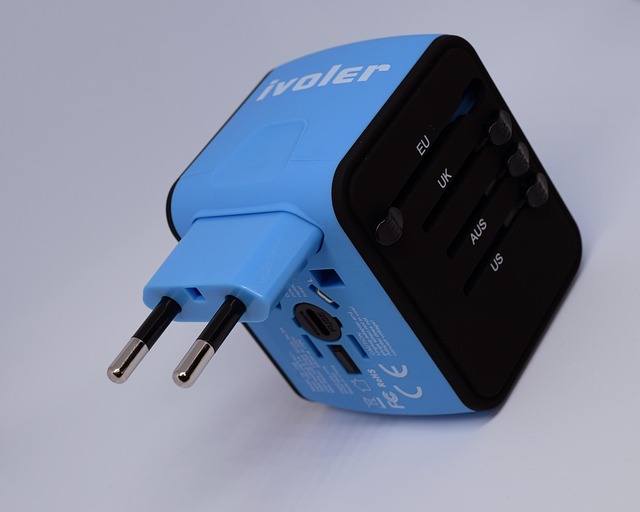

How busy is Milan in February?
It's quiet right through February — no crowded stretch to plan around.
Across the month the days run from 15% to 29% of the year. Daylight runs about 10 hours.
Any day works. There is no need to plan your dates around the crowds.
Mon 01 Feb Calm busier than 23% of days here · Germany school holidays
Record Milan on Mon 1 Feb 2027 is forecast Calm. Why: school holidays in Germany. https://avoid-crowds.com/milan/#d-2027-02-01 (Avoid-Crowds, as of 16 Sep 2026; recomputed nightly.)
Tue 02 Feb Calm busier than 23% of days here · Germany school holidays
Record Milan on Tue 2 Feb 2027 is forecast Calm. Why: school holidays in Germany. https://avoid-crowds.com/milan/#d-2027-02-02 (Avoid-Crowds, as of 16 Sep 2026; recomputed nightly.)
Wed 03 Feb Calm busier than 16% of days here · Germany school holidays
Record Milan on Wed 3 Feb 2027 is forecast Calm. Why: school holidays in Germany. https://avoid-crowds.com/milan/#d-2027-02-03 (Avoid-Crowds, as of 16 Sep 2026; recomputed nightly.)
Thu 04 Feb Calm busier than 16% of days here · Germany school holidays
Record Milan on Thu 4 Feb 2027 is forecast Calm. Why: school holidays in Germany. https://avoid-crowds.com/milan/#d-2027-02-04 (Avoid-Crowds, as of 16 Sep 2026; recomputed nightly.)
Fri 05 Feb Calm busier than 16% of days here · Germany school holidays
Record Milan on Fri 5 Feb 2027 is forecast Calm. Why: school holidays in Germany. https://avoid-crowds.com/milan/#d-2027-02-05 (Avoid-Crowds, as of 16 Sep 2026; recomputed nightly.)
Sat 06 Feb Calm busier than 16% of days here · Germany school holidays
Record Milan on Sat 6 Feb 2027 is forecast Calm. Why: school holidays in Germany. https://avoid-crowds.com/milan/#d-2027-02-06 (Avoid-Crowds, as of 16 Sep 2026; recomputed nightly.)
Sun 07 Feb Calm busier than 15% of days here · France school holidays
Record Milan on Sun 7 Feb 2027 is forecast Calm. Why: school holidays in France. https://avoid-crowds.com/milan/#d-2027-02-07 (Avoid-Crowds, as of 16 Sep 2026; recomputed nightly.)
Mon 08 Feb Calm busier than 23% of days here · Germany school holidays
Record Milan on Mon 8 Feb 2027 is forecast Calm. Why: school holidays in Germany and France. https://avoid-crowds.com/milan/#d-2027-02-08 (Avoid-Crowds, as of 16 Sep 2026; recomputed nightly.)
Tue 09 Feb Calm busier than 23% of days here · Germany school holidays
Record Milan on Tue 9 Feb 2027 is forecast Calm. Why: school holidays in Germany and France. https://avoid-crowds.com/milan/#d-2027-02-09 (Avoid-Crowds, as of 16 Sep 2026; recomputed nightly.)
Wed 10 Feb Calm busier than 23% of days here · Germany school holidays
Record Milan on Wed 10 Feb 2027 is forecast Calm. Why: school holidays in Germany and France. https://avoid-crowds.com/milan/#d-2027-02-10 (Avoid-Crowds, as of 16 Sep 2026; recomputed nightly.)
Thu 11 Feb Calm busier than 23% of days here · Germany school holidays
Record Milan on Thu 11 Feb 2027 is forecast Calm. Why: school holidays in Germany and France. https://avoid-crowds.com/milan/#d-2027-02-11 (Avoid-Crowds, as of 16 Sep 2026; recomputed nightly.)
Fri 12 Feb Calm busier than 29% of days here · Germany school holidays
Record Milan on Fri 12 Feb 2027 is forecast Calm. Why: Germany school holidays; France school holidays; United States public holiday. https://avoid-crowds.com/milan/#d-2027-02-12 (Avoid-Crowds, as of 16 Sep 2026; recomputed nightly.)
Sat 13 Feb Calm busier than 16% of days here · Germany school holidays
Record Milan on Sat 13 Feb 2027 is forecast Calm. Why: school holidays in Germany and France. https://avoid-crowds.com/milan/#d-2027-02-13 (Avoid-Crowds, as of 16 Sep 2026; recomputed nightly.)
Sun 14 Feb Calm busier than 25% of days here · Germany school holidays
Record Milan on Sun 14 Feb 2027 is forecast Calm. Why: school holidays in Germany and France. https://avoid-crowds.com/milan/#d-2027-02-14 (Avoid-Crowds, as of 16 Sep 2026; recomputed nightly.)
Mon 15 Feb Calm busier than 29% of days here · Germany school holidays
Record Milan on Mon 15 Feb 2027 is forecast Calm. Why: Germany school holidays; France school holidays; United States public holiday. https://avoid-crowds.com/milan/#d-2027-02-15 (Avoid-Crowds, as of 16 Sep 2026; recomputed nightly.)
Tue 16 Feb Calm busier than 25% of days here · Germany school holidays
Record Milan on Tue 16 Feb 2027 is forecast Calm. Why: school holidays in Germany and France. https://avoid-crowds.com/milan/#d-2027-02-16 (Avoid-Crowds, as of 16 Sep 2026; recomputed nightly.)
Wed 17 Feb Calm busier than 25% of days here · Germany school holidays
Record Milan on Wed 17 Feb 2027 is forecast Calm. Why: school holidays in Germany and France. https://avoid-crowds.com/milan/#d-2027-02-17 (Avoid-Crowds, as of 16 Sep 2026; recomputed nightly.)
Thu 18 Feb Calm busier than 25% of days here · Germany school holidays
Record Milan on Thu 18 Feb 2027 is forecast Calm. Why: school holidays in Germany and France. https://avoid-crowds.com/milan/#d-2027-02-18 (Avoid-Crowds, as of 16 Sep 2026; recomputed nightly.)
Fri 19 Feb Calm busier than 25% of days here · Germany school holidays
Record Milan on Fri 19 Feb 2027 is forecast Calm. Why: school holidays in Germany and France. https://avoid-crowds.com/milan/#d-2027-02-19 (Avoid-Crowds, as of 16 Sep 2026; recomputed nightly.)
Sat 20 Feb Calm busier than 23% of days here · France school holidays
Record Milan on Sat 20 Feb 2027 is forecast Calm. Why: school holidays in France. https://avoid-crowds.com/milan/#d-2027-02-20 (Avoid-Crowds, as of 16 Sep 2026; recomputed nightly.)
Sun 21 Feb Calm busier than 27% of days here · France school holidays
Record Milan on Sun 21 Feb 2027 is forecast Calm. Why: school holidays in France. https://avoid-crowds.com/milan/#d-2027-02-21 (Avoid-Crowds, as of 16 Sep 2026; recomputed nightly.)
Mon 22 Feb Calm busier than 27% of days here · France school holidays
Record Milan on Mon 22 Feb 2027 is forecast Calm. Why: school holidays in France. https://avoid-crowds.com/milan/#d-2027-02-22 (Avoid-Crowds, as of 16 Sep 2026; recomputed nightly.)
Tue 23 Feb Calm busier than 27% of days here · France school holidays
Record Milan on Tue 23 Feb 2027 is forecast Calm. Why: school holidays in France. https://avoid-crowds.com/milan/#d-2027-02-23 (Avoid-Crowds, as of 16 Sep 2026; recomputed nightly.)
Wed 24 Feb Calm busier than 27% of days here · France school holidays
Record Milan on Wed 24 Feb 2027 is forecast Calm. Why: school holidays in France. https://avoid-crowds.com/milan/#d-2027-02-24 (Avoid-Crowds, as of 16 Sep 2026; recomputed nightly.)
Thu 25 Feb Calm busier than 27% of days here · France school holidays
Record Milan on Thu 25 Feb 2027 is forecast Calm. Why: school holidays in France. https://avoid-crowds.com/milan/#d-2027-02-25 (Avoid-Crowds, as of 16 Sep 2026; recomputed nightly.)
Fri 26 Feb Calm busier than 27% of days here · France school holidays
Record Milan on Fri 26 Feb 2027 is forecast Calm. Why: school holidays in France. https://avoid-crowds.com/milan/#d-2027-02-26 (Avoid-Crowds, as of 16 Sep 2026; recomputed nightly.)
Sat 27 Feb Calm busier than 27% of days here · France school holidays
Record Milan on Sat 27 Feb 2027 is forecast Calm. Why: school holidays in France. https://avoid-crowds.com/milan/#d-2027-02-27 (Avoid-Crowds, as of 16 Sep 2026; recomputed nightly.)
Sun 28 Feb Calm busier than 27% of days here · France school holidays
Record Milan on Sun 28 Feb 2027 is forecast Calm. Why: school holidays in France. https://avoid-crowds.com/milan/#d-2027-02-28 (Avoid-Crowds, as of 16 Sep 2026; recomputed nightly.)
Which week of February is quietest in Milan?
Early February is the month's quietest stretch in Milan — the typical day at 20%, against 27% in late February.
The upside of a quiet February
- The big-ticket sights are walk-ins now; the summer booking scramble is gone.
- Keep the days loose — decide over breakfast, not weeks ahead.
- Early on, you can have the busiest spots almost to yourself — bring a camera.
No queues to skip, and nothing to book ahead — that's the whole point.
February weather in Milan
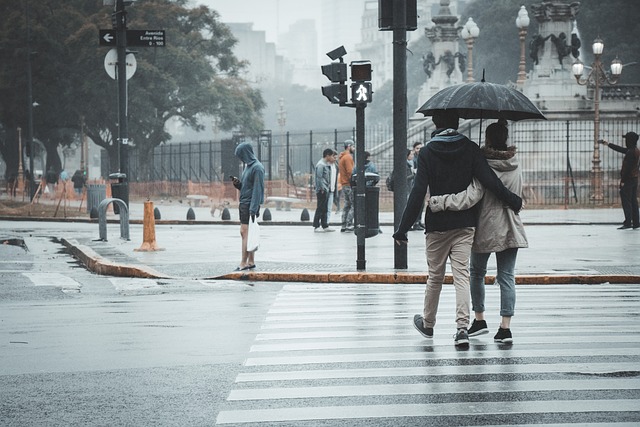
Cold — around 12°C / 54°F, so pack a proper coat, with rain on about 5 days.
This is the value month: no need to book far ahead, and the freedom to change plans on the day is part of what you're getting.
More about Milan in February
Based on: Italy's public holidays · school vacations across France and Germany · the season pattern from official overnight stays · five years of weather records (2019–2023) · confirmed event dates
Every figure is recomputed nightly from public and school holidays, and long-run climate normals. Gaps are shown, not filled.