
Vienna / Henk's guide
Vienna: a relaxed visit
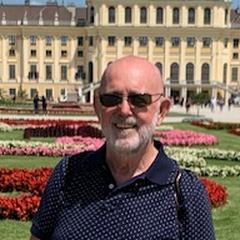
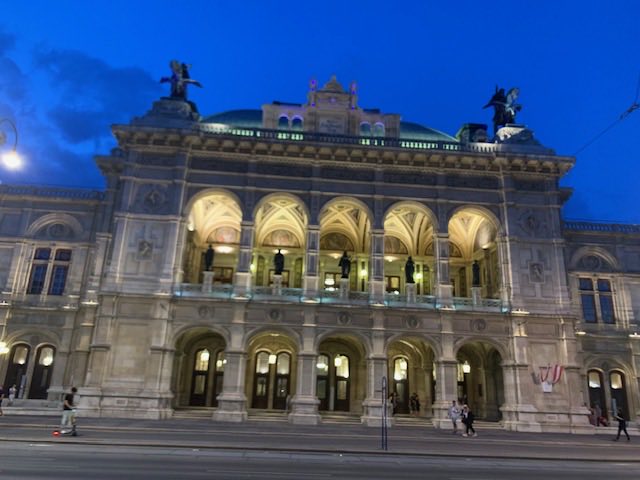
The State Opera at blue hour, before the doors open. · Photo: Henk
Vienna was the first great foreign city I visited, travelling there with my parents when I was eighteen. It made a deep impression: the grand scale of the Ringstrasse, the palaces, the coffeehouses and the feeling that music shaped ordinary city life. I have returned many times since, and Vienna still feels like a city that cannot be fully understood in one visit.
Austria’s capital is best approached as a series of connected districts, rather than a long list of imperial sights. The compact old centre, Ringstrasse institutions, palace grounds, museum quarter, Danube landscapes and vineyard hills each reveal a different Vienna.
The city is home to the UNESCO World Heritage property Historic Centre of Vienna, inscribed for its medieval, Baroque and nineteenth-century urban ensembles. The historic centre is also on UNESCO’s List of World Heritage in Danger because of concerns relating to proposed high-rise developments.
The busiest areas are predictable: Stephansplatz, Graben, the Hofburg and Schönbrunn from late morning onward, plus the central Christmas markets in December. Begin the centre early, then move west to MuseumsQuartier and Neubau, east to Prater, or north to the wine hills. Vienna’s U-Bahn, trams and buses make this simple, while rain, winter cold and summer heat are good reasons to move a museum or concert ahead of an outdoor plan.
Source Henk used: UNESCO World Heritage Centre
Quick Planner
Three days is ideal for a first visit: enough for imperial Vienna, art, music and one greener or more residential side of the city.
| If you have… | Choose this | Avoid / keep in mind |
|---|---|---|
| Clear, dry weather | Combine Schönbrunn gardens with Prater, Danube Island or the Grinzing wine hills | Do not schedule palace interiors, gardens and the historic centre in one hurried day |
| Rain, cold or strong summer heat | Use Wien Museum, Kunsthistorisches Museum, MuseumsQuartier or KunstHausWien | Save Prater, Danube Island and vineyard views for a dry period |
| Saturday, Sunday or a public holiday | Enter Schönbrunn at opening time, then move to Neubau, Josefstadt or Prater’s wooded areas | Graben, Stephansplatz, Naschmarkt and popular Heurige can be busy |
| A very short stay | Choose one palace, one museum and one evening performance | Avoid crossing the city repeatedly for minor sights |
| One free evening | Book an opera, operetta or concert, then eat outside the busiest central streets | Popular performances and wine taverns need advance planning |
| A limited budget | Use public transport, Wien Museum’s permanent exhibition and Vienna’s parks | Palace combination tickets and central café terraces can raise costs quickly |
| Stay length | Best approach | Calm priority |
|---|---|---|
| 1 day | Historic Centre early, one palace or museum, then music in the evening | Limit yourself to one headline sight |
| 2 days | Add Schönbrunn or Belvedere, plus MuseumsQuartier and Neubau | Keep the historic centre to one focused morning |
| 3 days | Add Prater, Grinzing or Danube Island, with time for cafés and music | Include an outdoor or residential-district break each day |
| 4 days or longer | Add Wachau, Bratislava or Semmering, plus smaller museums | Use weekdays for the most popular palace visits |
Vienna in depth: experiences worth planning around
Imperial Vienna: choose one palace properly
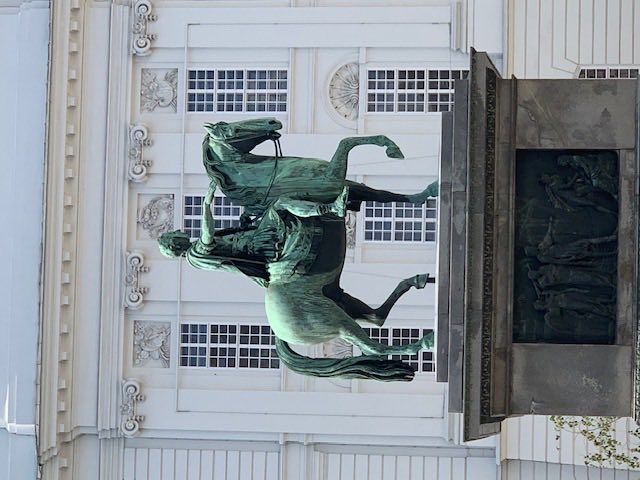
Vienna’s Habsburg story is spread across several major sites. Schönbrunn Palace, the Hofburg and the Belvedere each show a different side of imperial life: the summer court, the administrative centre and a princely art collection.
For most first-time visitors, Schönbrunn is the clearest choice. Its palace rooms, formal gardens and Gloriette viewpoint form one coherent experience, but it needs planning. Reserve an early timed entry, particularly in summer, school holidays and December, then visit the gardens later when the first organised groups have moved on.
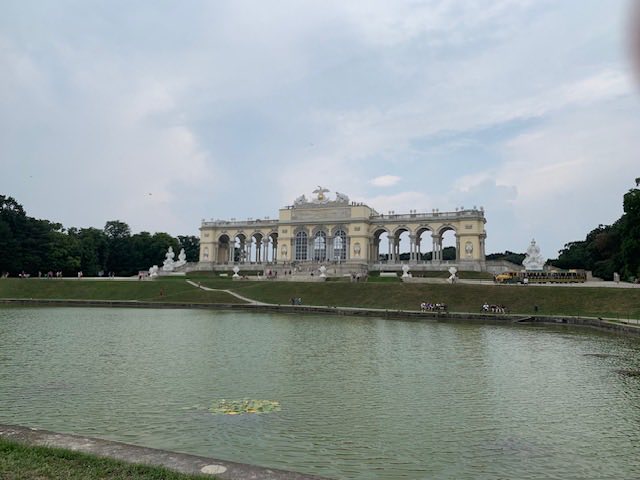
Choose the Hofburg if you want to stay in the historic centre, or the Belvedere if art matters more than ceremonial rooms. The Upper Belvedere, home to Gustav Klimt’s The Kiss, is a strong alternative, but timed admission remains wise in busy periods.
Do not try to fit Schönbrunn, the Hofburg and Belvedere into one day. Choosing one properly creates a much more relaxed and memorable visit.
Sources Henk used: schoenbrunn.at · belvedere.at
The Ringstrasse and the city beneath it
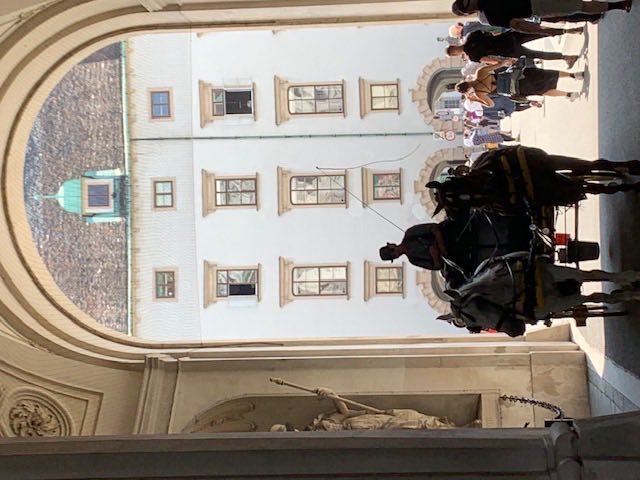
The Ringstrasse is Vienna’s grand nineteenth-century boulevard, created after the old city walls were removed. It connects the State Opera, Hofburg, Parliament, Rathaus, Burgtheater, university and major museum buildings in one remarkably formal urban sequence.
Start around St Stephen’s Cathedral early, then leave the narrow streets before they fill up. Use the Ringstrasse as an orientation route rather than a challenge to complete on foot. A tram ride or a short walk between the Opera and Rathaus gives you the architectural drama without an exhausting day.
For context, choose Wien Museum at Karlsplatz. Its permanent exhibition explains Vienna from Roman settlement to modern capital and is one of the city’s best rain-day choices. It reopened after extensive renovation in December 2023.
Visitors interested mainly in grand interiors should choose a palace. Those who want to understand how Vienna developed should begin with Wien Museum, then see the Ringstrasse with a much clearer sense of its purpose.
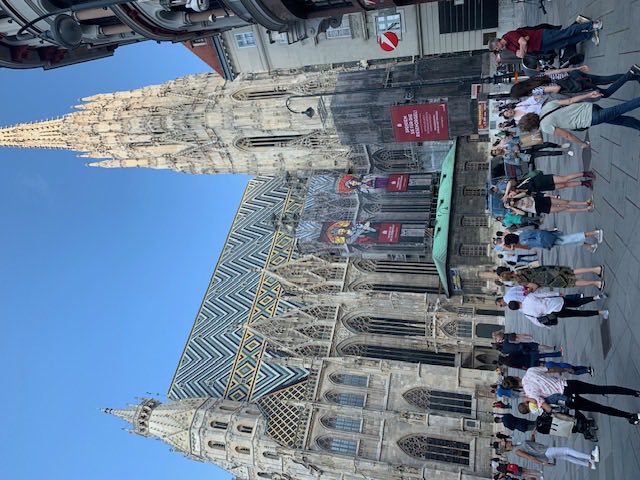
Source Henk used: wienmuseum.at
MuseumsQuartier and Neubau: art with breathing space
MuseumsQuartier, just west of the Hofburg, offers a calmer way to spend a cultural afternoon. The former imperial stables now combine major museums, cafés, courtyards and exhibition spaces, with the restaurant and gallery streets of Neubau immediately beyond.
Choose the Kunsthistorisches Museum for Old Masters and lavish historic interiors. Choose the Leopold Museum for Austrian modernism and Egon Schiele, or mumok for modern and contemporary art. One major museum is usually sufficient; trying to see all three creates museum fatigue rather than insight.
The practical advantage is that you can stay in one compact area without returning to Stephansplatz. The courtyards are lively in warm weather, but Neubau gives you a better chance of a quieter dinner or coffee later in the day.
This is the best choice for art lovers, repeat visitors and anyone who needs a strong indoor plan. In rainy weather, pair it with the Kunsthistorisches Museum rather than forcing an outdoor route.
Source Henk used: wien.info
Music, operetta and the Golden Hall
Music is woven into Vienna’s daily identity, not simply preserved as history. An evening performance often gives a short visit more depth than another rushed museum, and Vienna remains unusual because operetta still has a genuine home here.
Opera is available in many great cities, but Vienna is one of the few places where operetta can still feel rooted in the city’s own musical culture. Johann Strauss, Franz Lehár and Emmerich Kálmán belong naturally to Vienna’s sound world. The Volksoper is the key venue for operetta, opera, musicals and ballet, making it an excellent choice for visitors who want a less formal but unmistakably Viennese evening.
The Musikverein is memorable for a different reason. Its Great Hall, widely known as the Golden Hall, is filled with gilded decoration and has a remarkable sense of occasion. Sitting there is special partly because this is where the Vienna Philharmonic’s New Year’s Concert is held and broadcast internationally every year.
Book the programme that genuinely interests you, rather than selecting a venue only for its name. Allow time to return to your hotel, eat early and arrive without rushing; the area around the State Opera becomes busy before and after performances.
Sources Henk used: volksoper.at · wien.info
Prater, Danube Island and Vienna’s outdoor scale
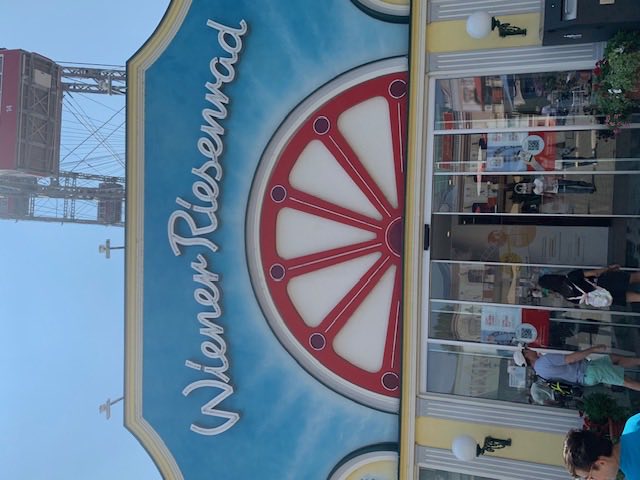
Vienna’s green space is more than an attractive backdrop to palaces and museums. It offers an essential change of pace, especially from spring to early autumn. The Prater combines the amusement area around the Giant Ferris Wheel with a far larger woodland landscape for walking, running and cycling.
The Volksprater is lively near the rides, but the wider park is much calmer. Enter with a clear purpose: a Ferris Wheel ride, a short walk, or a meal in nearby Stuwerviertel. Unless you are travelling with children, do not spend a valuable afternoon waiting for several fairground attractions.
For a wider open landscape, choose the 21-kilometre Danube Island. Created with the New Danube as a flood-protection project, it is now a major recreation area for residents and visitors.
Use Prater and the Danube Island during dry weather or warm evenings. They are often more comfortable than the stone-paved centre in high summer, although major events can temporarily change crowd levels.
Source Henk used: wien.info
Grinzing, Kahlenberg and Viennese wine
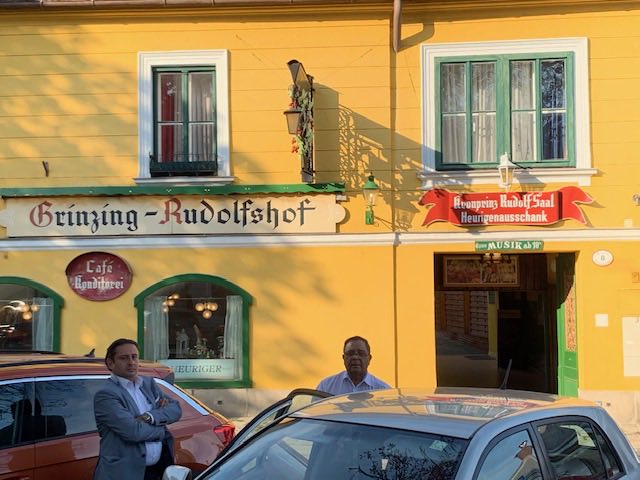
Grinzing is one of the places I return to most willingly. It feels remarkably far from the imperial avenues and museum districts, although it remains within Vienna. Vineyards, garden terraces and wine taverns replace the intensity of the city centre.
Combine a Heuriger meal with an outing to nearby Kahlenberg. The hill gives a broad view across Vienna, the Danube and the distant historic centre, making the scale of the city immediately clearer. Choose a clear late afternoon or early evening, then return to Grinzing for dinner.
A Heuriger is not simply a themed restaurant. Under Vienna’s rules, only vineyards that harvest wine in or around Vienna may use the term.
This works particularly well for food-and-wine travellers and repeat visitors. Go on a weekday where possible, travel by public transport rather than driving, and reserve a table for popular Friday and Saturday evenings.
Source Henk used: wien.gv.at
Hundertwasserhaus: Vienna beyond symmetry
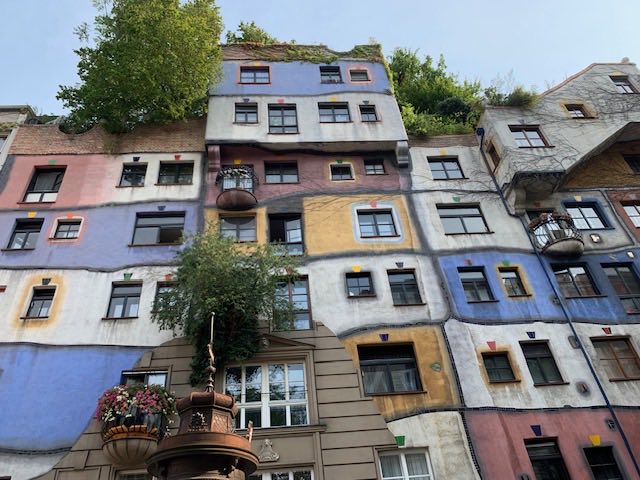
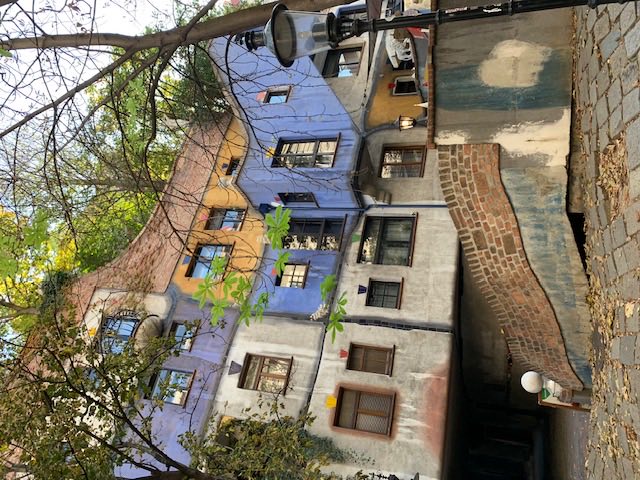
Hundertwasserhaus remains worth a visit because it breaks every expectation created by imperial Vienna. The colourful residential complex, designed by Friedensreich Hundertwasser with architect Josef Krawina, rejects straight lines, symmetry and uniform façades.
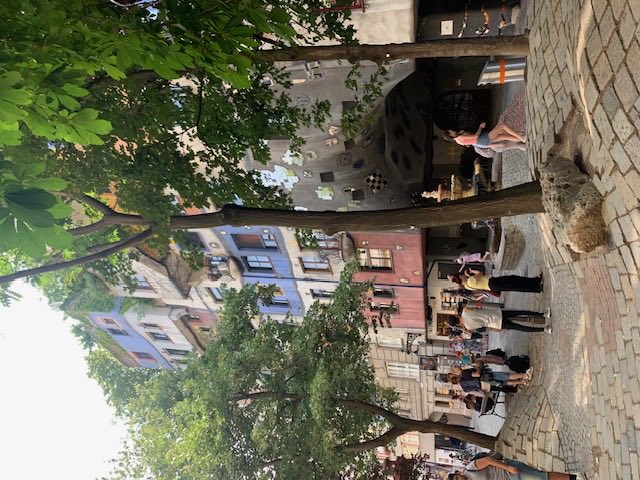
It is not a conventional museum and remains a lived-in residential building. See it respectfully from the public street rather than expecting interior access. This makes it a manageable stop for travellers interested in architecture, design and modern Vienna, especially when combined with nearby Leopoldstadt, Prater or the Danube Canal.
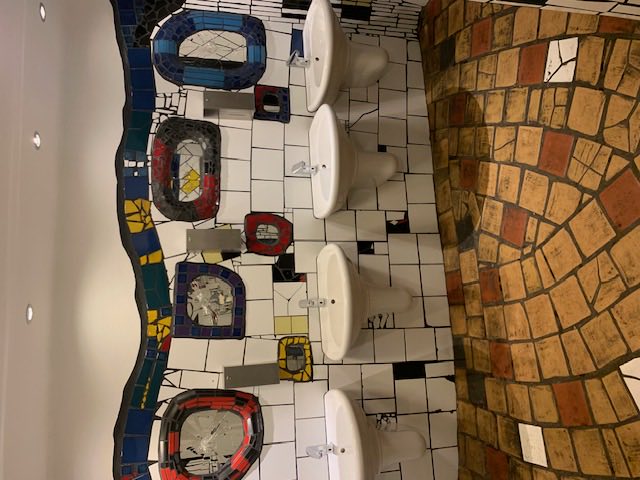
For deeper context, visit KunstHausWien, which holds the world’s largest permanent collection of Hundertwasser’s work. It is a useful rain-day option, while the exterior of Hundertwasserhaus itself is best seen in daylight.
Source Henk used: kunsthauswien.com
Day trips worth the journey
Wachau Valley: Melk, Krems and the Danube
The Wachau is the best day trip for visitors who want vineyards, river scenery and small historic towns after several city days. Build the day around either Melk or Krems rather than trying to see every village, abbey and viewpoint.
Rail is usually the least stressful approach. The seasonal Wachau Railway serves key places in the valley, but its operating dates and timetable vary, so check carefully before committing to a route.
Choose Wachau from spring to autumn, ideally on a dry day. It is less rewarding as a short winter trip, when daylight and outdoor scenery are limited.
Source Henk used: wachaubahn.at
Bratislava: a second capital at a smaller scale
Bratislava offers a useful contrast to Vienna: a compact old town, river views and a more intimate urban scale. It works well for visitors who enjoy cafés, historic streets and comparing two Central European capitals.
Keep the day simple. The old town, castle area and Danube waterfront are enough. Check current rail or boat timetables and carry the travel documents required for crossing into Slovakia.
Choose Bratislava if you have at least three full days in Vienna. Skip it if Vienna’s museums, concerts or wine districts are your main reason for travelling; there is plenty to keep you in Vienna.
Semmering Railway and mountain air
Semmering is the better choice for train enthusiasts, walkers and travellers wanting Alpine scenery. The historic Semmering Railway is itself a UNESCO World Heritage property, separate from Vienna’s Historic Centre.
Choose it on a clear day, when the views justify the travel time. Check current train services and trail conditions in advance, especially outside the main walking period. It is best for visitors who have already covered Vienna’s major cultural sights.
Food and drink
Vienna’s food culture works best when you combine one classic coffeehouse, one traditional Austrian meal and one district-based evening. Do not eat every meal in the historic centre: restaurants near Stephansplatz may be convenient, but location alone does not guarantee good value or a memorable meal.
For cake and coffee, central grand cafés are part of the experience. They can also involve queues and slow service, so go early, mid-afternoon on a weekday or after a museum visit. For a more relaxed setting, choose a neighbourhood café in Neubau, Josefstadt or Leopoldstadt.
Naschmarkt is practical for a daytime food stop, especially with Karlsplatz, the Secession or MuseumsQuartier nearby. Saturdays bring a flea-market atmosphere but also more people. It suits visitors who enjoy an active market rather than those seeking a quiet lunch.
For a more distinctly Viennese evening, head north to a Heuriger in Grinzing, Nussdorf or Neustift am Walde. The attraction lies in the combination of local wine, simple food, terraces and the nearby vineyard landscape.
Reserve popular Heurige on Friday or Saturday. After an opera or concert, choose a nearby restaurant only for convenience; on other evenings, use the central districts for culture and eat in a residential neighbourhood.
Source Henk used: wien.gv.at
Where to stay
The 1st District is the right choice if you value stepping directly into the historic centre above all else. It is efficient for St Stephen’s Cathedral, the Hofburg and evening performances, but it is normally the busiest and most expensive option.
Neubau and MuseumsQuartier offer the strongest balance for many visitors. You remain close to the centre but gain better access to cafés, restaurants, galleries and a less formal evening atmosphere. This is especially suitable for art lovers and travellers staying three nights or more.
Karlsplatz, Wieden and the Belvedere area are useful for concertgoers, museum visitors and travellers arriving at Wien Hauptbahnhof. They reduce backtracking between the Opera, Musikverein, Belvedere and the main station, while maintaining easy tram and U-Bahn access.
Choose Leopoldstadt or Stuwerviertel if Prater, green space and a more residential atmosphere matter more than sleeping inside the Ring.
Before booking, compare the hotel with nearby U-Bahn and tram connections rather than paying a premium only to stay in the old centre.
Sources Henk used: wien.info/stuwerviertel and prater · wien.info/tickets
Frequently asked questions
What is the best time to visit Vienna with fewer crowds?
Late spring and early autumn usually give the best combination of pleasant walking weather, open gardens and a full cultural programme. Summer can be enjoyable, but the historic centre, Schönbrunn and major museums are busier, particularly during school holidays.
January and February can be quieter and sometimes better value outside major event dates. December has a special atmosphere, but Christmas markets concentrate crowds around Rathausplatz, Schönbrunn and the main central squares.
How can I avoid the biggest crowds in Vienna?
Start the Historic Centre before 09:00, then leave Stephansplatz and Graben before late morning. Book one timed palace or museum visit after this early walk, rather than attempting every major sight at once.
Spend the second half of the day outside the tightest central streets: MuseumsQuartier and Neubau for art and food, Prater for green space, or Grinzing and Kahlenberg for wine and city views. This creates a much calmer rhythm.
Should I book Schönbrunn Palace in advance?
Yes, especially in summer, at weekends, during school holidays and in the Christmas period. Early timed admission is particularly useful because it protects the rest of your day from queues and gives you a quieter palace experience.
Use the official visitor information and ticket system rather than relying on resellers.
Source Henk used: schoenbrunn.at
Where can I experience operetta in Vienna?
The Volksoper is Vienna’s principal venue for operetta, as well as opera, musicals and ballet. It is a strong choice for travellers who want a less formal alternative to the State Opera, while still experiencing a distinctly Viennese musical tradition.
Check the current programme before travelling because titles, languages and surtitles vary. The current schedule can include classics such as Johann Strauss’s Die Fledermaus.
Source Henk used: volksoper.at
Is Vienna easy to explore by public transport?
Yes. The U-Bahn, trams and buses connect Schönbrunn, Prater, Belvedere, the central districts and major railway stations efficiently. A 24-hour Vienna ticket provides unlimited journeys in the core zone for 24 hours from the chosen start time.
Use transport between districts, then walk within the district you have chosen. For current information about stations, service changes and accessible mobility, consult Wiener Linien before travel.
Source Henk used: wienerlinien.at
What should I do in Vienna when it rains?
Make it a museum-and-music day. Wien Museum gives essential city context, MuseumsQuartier offers several art choices, and KunstHausWien provides a more unusual option focused on Hundertwasser’s work.
Keep Schönbrunn gardens, Prater, Danube Island and Kahlenberg for the next dry period. Vienna is easy to rearrange because its public transport network connects the main districts quickly.