Paris / Henk's guide
Paris: a relaxed visit
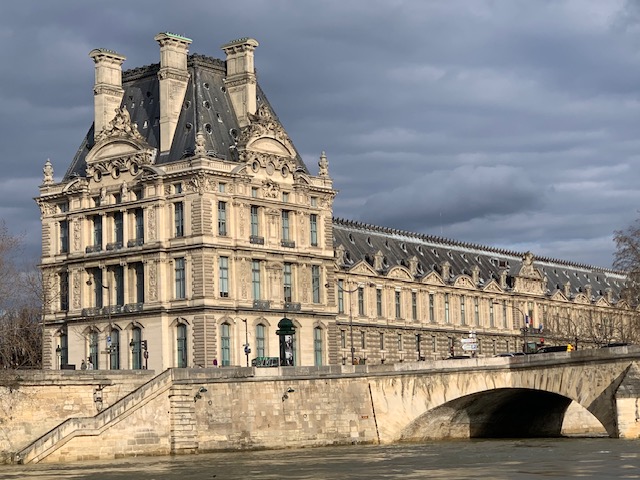
The Louvre, seen from the Seine · Photo: Henk
Paris is a city I can always return to, whatever the season, the weather or the circumstances.
Perhaps that is because Paris never feels like only a city. It is a world of its own: large and busy, yet full of gardens, churches, squares, museums, cafés and unexpectedly quiet places.
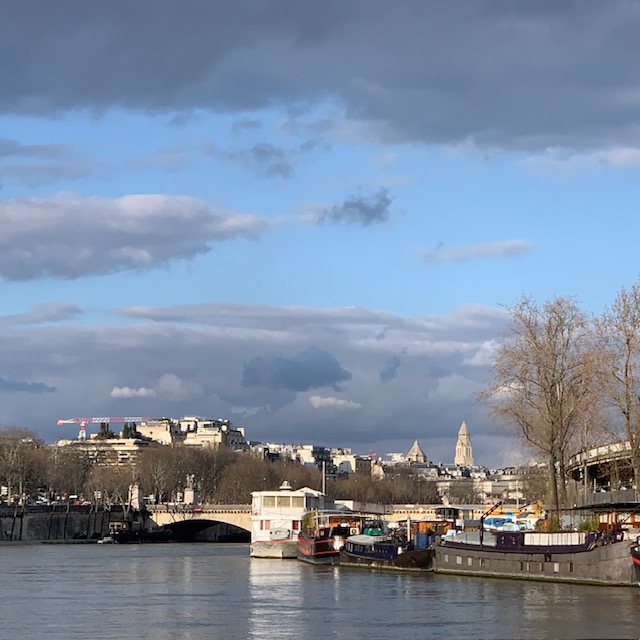
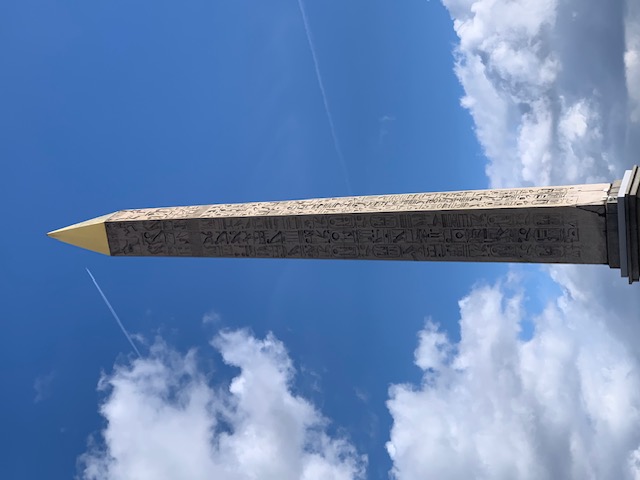
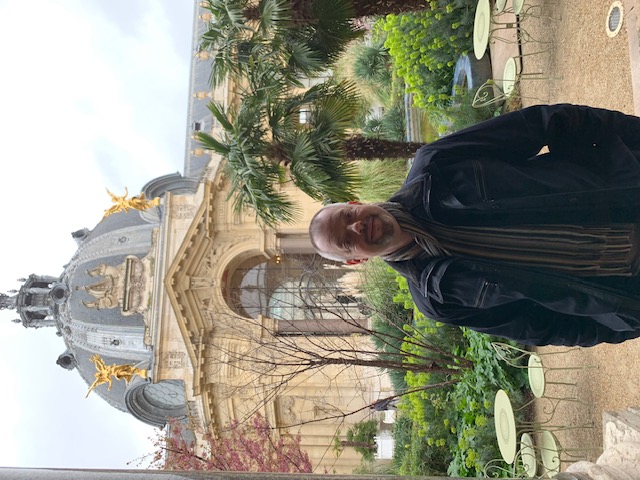
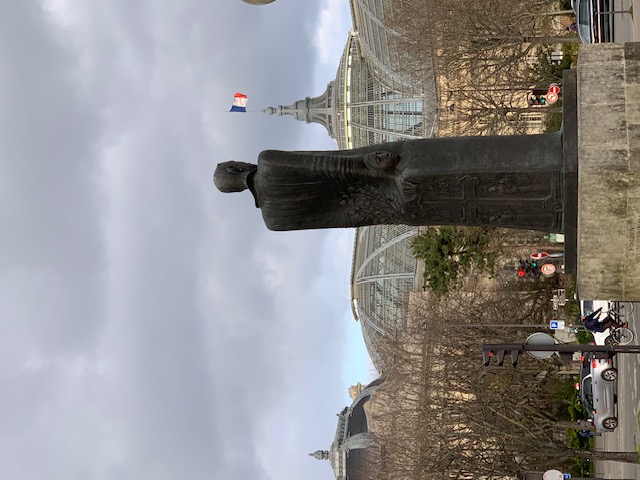
The historic Banks of the Seine are a UNESCO World Heritage Site. Between the Louvre and the Eiffel Tower, the river connects many of Parisʼs most familiar images: Notre-Dame, Sainte- Chapelle, Place de la Concorde and the Grand and Petit Palais. The Seine is the line that gives the city its coherence.
This is not a fixed programme. The first day gives an overview; afterwards, the weather, the light and oneʼs own mood help decide which direction feels right. I prefer to choose a few places that belong together and give them the time they need. There should be time to sit, look around and simply let Paris pass by.
Check crowd forecasts for your dates →
The first day: Paris as a whole
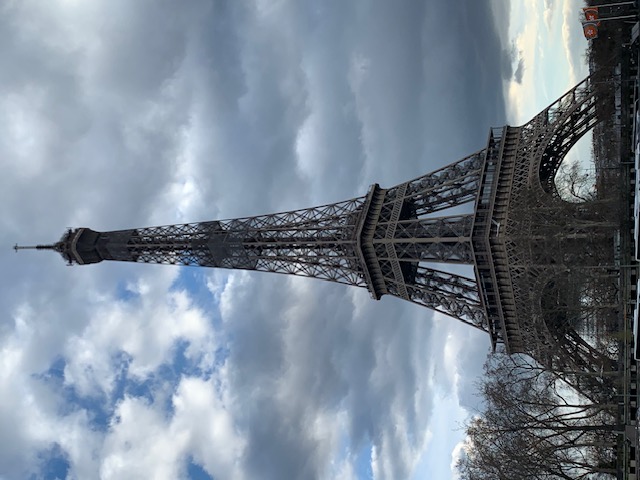
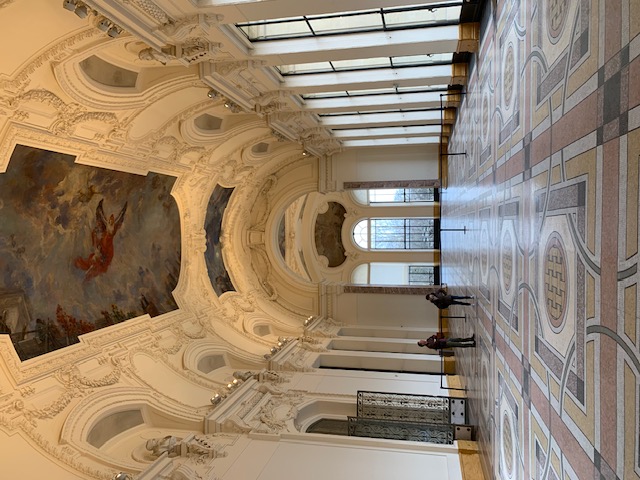
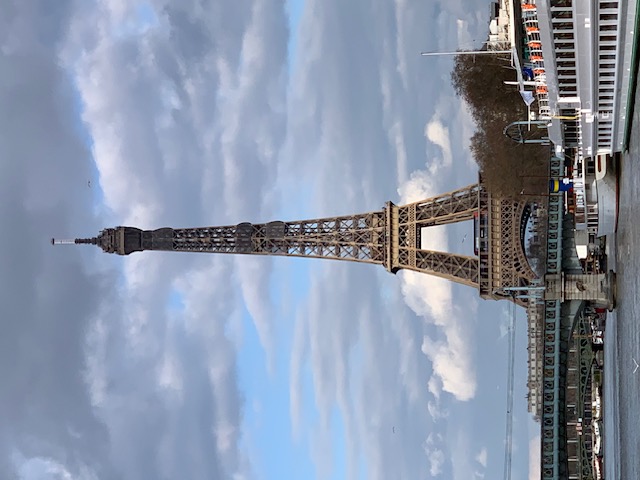
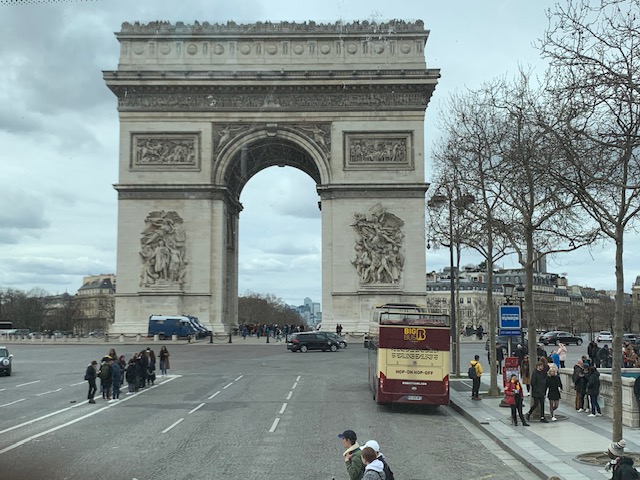
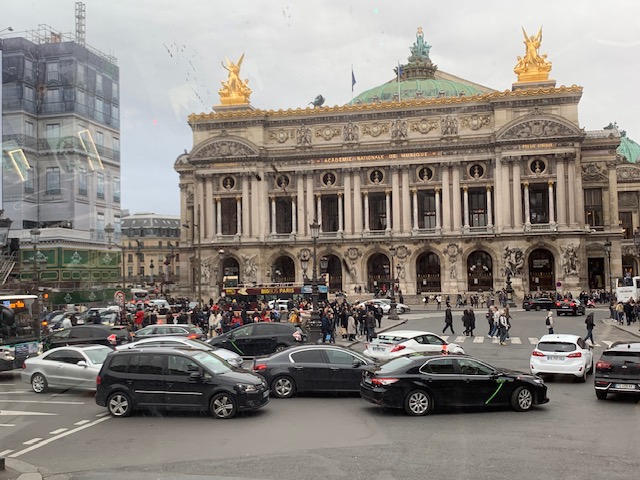
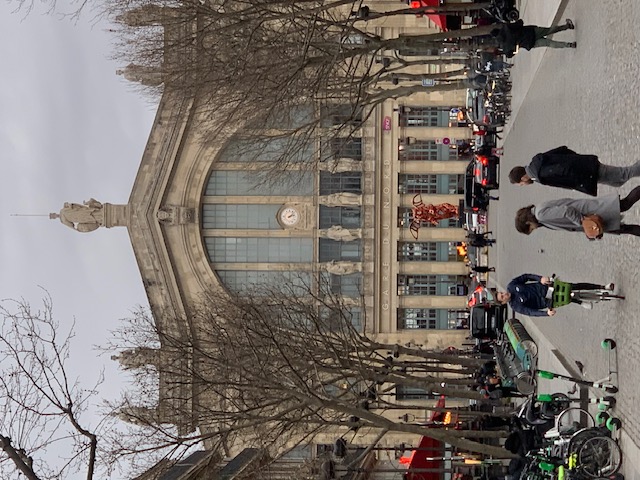
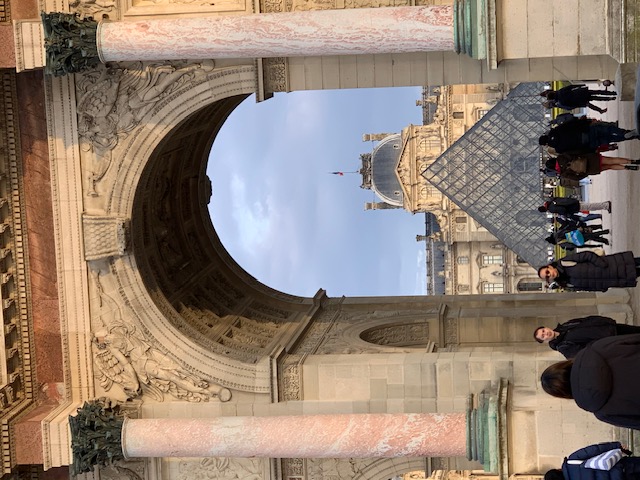
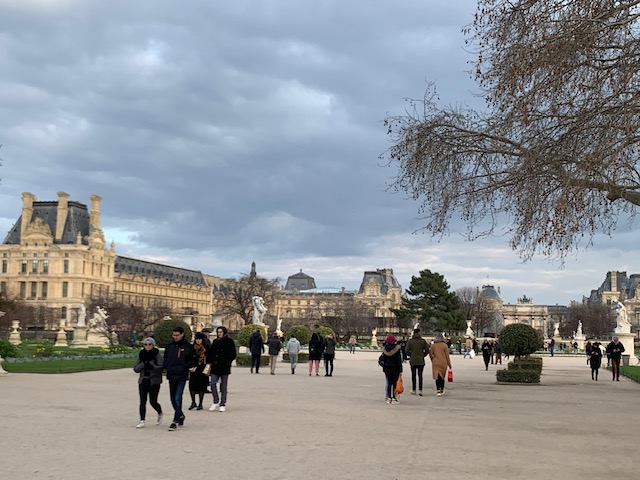
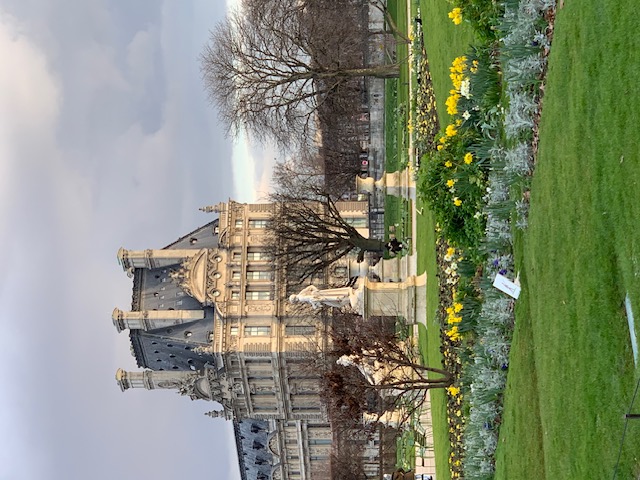
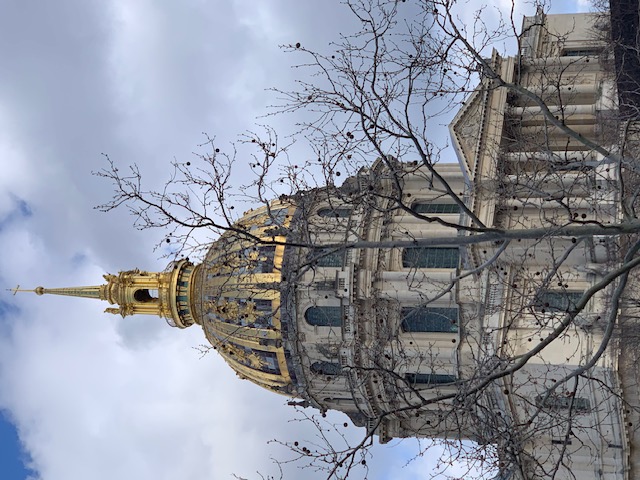
I begin at Opéra / Grands Magasins, beside Palais Garnier, stop 1 on Tootbus’s Blue Route. Arrive shortly before the first departure for the best chance of a good upper-deck seat. Check the current timetable: the first bus normally leaves at 9.30 am. The first complete circuit is for orientation. I stay on board and see how the principal images of Paris relate to one another: the Opéra, Louvre, Seine, Notre-Dame and Sainte-Chapelle, Musée dʼOrsay, Place de la Concorde, Champs-Élysées, Arc de Triomphe, Trocadéro, Eiffel Tower, Invalides and Pont Alexandre III. The bus does not show all of Paris, but it gives a clear first sense of its river, boulevards, monuments and neighbourhoods. When the bus returns to Opéra, I pause for coffee or an early lunch. Then I begin a second, more focused circuit. I get off at the Louvre, first to see the former royal palace and its courtyards, not to enter the museum yet. From the Louvre, I walk through the Tuileries Garden, with gravel paths, statues, green chairs and water basins, to the Petit Palais. This small 1900 palace has curved galleries, a quiet inner garden and a manageable collection. For me, it is an ideal calm pause in the middle of Paris. Check opening times before leaving. I then continue by bus to Trocadéro. From its terrace, the Eiffel Tower has its best setting: across the Seine, above Pont dʼIéna, with Champ-de-Mars beyond it. I walk down, cross the bridge and continue to Port de la Bourdonnais. An evening cruise with Bateaux Parisiens leaves from here and returns to the same pier after about an hour. The illuminated tower provides a calm end to the first day.
Afterwards: choose a direction
After the first day, there is no fixed order. In rain, I choose art or covered passages; in clear weather, the Left Bank, a garden, the Seine or Montmartre. These are not obligations, but ways of giving one part of Paris proper attention.
The great museums
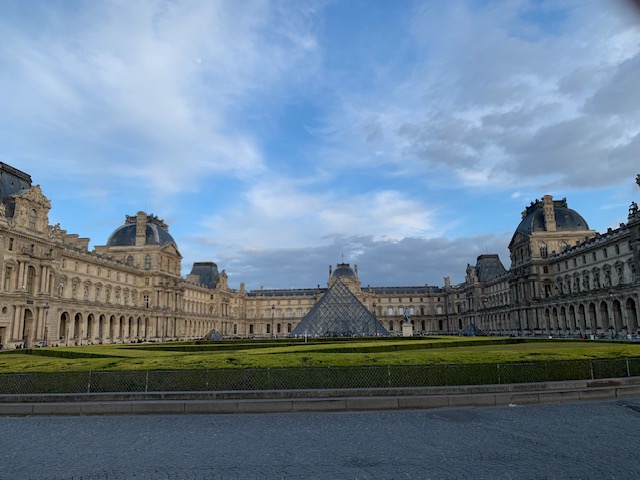
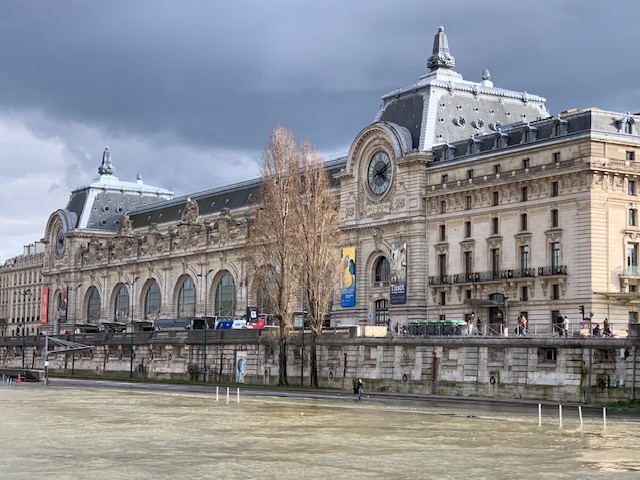
On a truly wet or cold day, I choose either the Louvre or Musée dʼOrsay. The Louvre is both a former palace and a vast art museum. Choose one area in advance— Egyptian antiquities, Italian painting or the palace interiors—so there is time to look properly. Reserve a time slot, arrive early or late, and check the official Louvre visitor page. The museum is normally closed on Tuesday. Musée dʼOrsay is more manageable: a former railway station with a great central hall, glass roof and nineteenth-century art, especially Impressionism. Thursday evening is often useful because of late opening; the museum is normally closed on Monday. Check current opening times.
The Left Bank
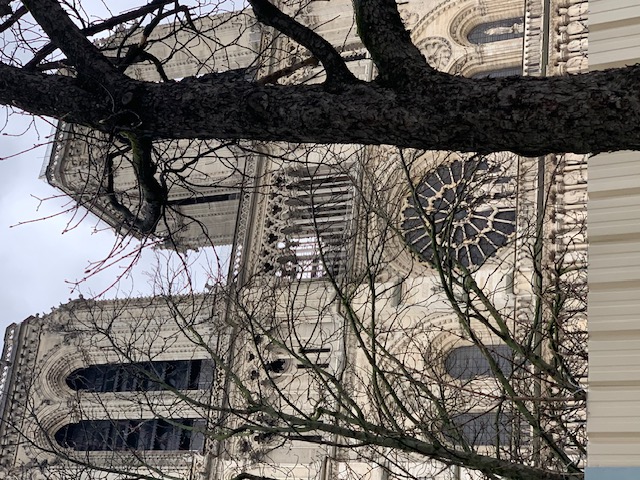
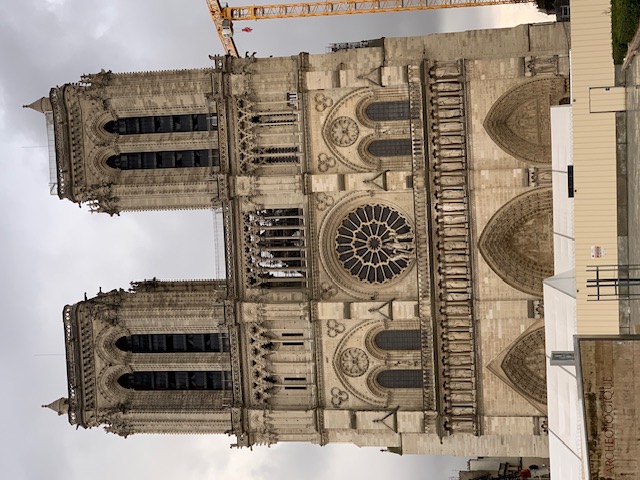
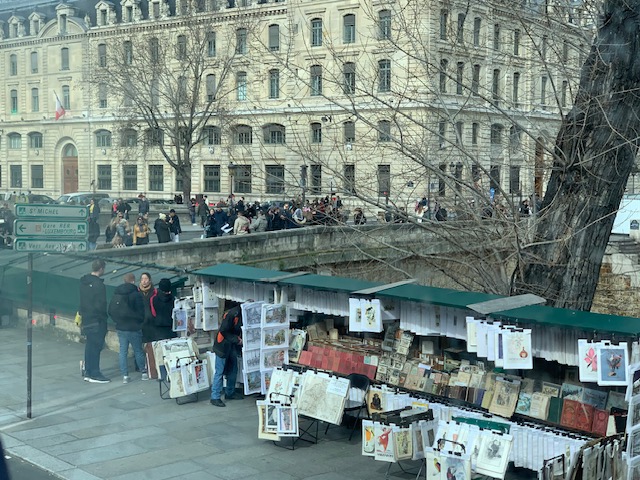
Notre-Dame and Sainte-Chapelle are essential to me. Notre-Dame is the great Gothic cathedral on Île de la Cité, with carved portals and flying buttresses beside the Seine. Sainte-Chapelle is smaller, but the high stained-glass windows of its upper chapel make it seem almost entirely made of coloured light. Begin early. Reserve a time slot through the official Sainte-Chapelle site; Notre-Dame is free, but an official free reservation helps during busy periods. Only on a fine day do I continue to Saint-Germain-des-Prés, for the old church, cafés, bookshops and broad boulevard. The Jardin du Luxembourg is the pause: gravel paths, statues, a pond and green chairs. The Panthéon, with its high dome and crypt, adds a monumental note. The Musée de Cluny, with Roman baths and the Lady and the Unicorn tapestries, is a good optional indoor stop.
The garden and the Seine
The Jardin des Plantes works in fine or changeable weather. This historic botanical garden stands beside the principal Paris site of the Muséum national dʼHistoire naturelle, with galleries and greenhouses. Begin at the Grande Mosquée de Paris, with its Moorish courtyard, tiles, fountain and greenery. Then walk through the gardenʼs broad paths and formal beds. Check the Jardin des Plantes opening times before visiting. Within the Muséum, the Grande Galerie de lʼÉvolution is the main choice: a high glass-roofed hall with a large procession of animals and displays on biodiversity. The Galerie de Paléontologie et dʼAnatomie comparée focuses on fossils and skeletons. The Grandes Serres offer shelter in rain among tropical and desert plants. On a fine day, choose one indoor visit; in persistent rain, the glasshouses and one gallery work well together. See the Muséum for current information. In dry weather, follow the Seine through Jardin Tino-Rossi, where modern sculptures stand in the open air, to the Institut du Monde Arabe. From the terrace or upper floors, look across the river towards Notre-Dame.
The hill and the boulevards
On a clear day, I begin early in Montmartre. Sacré-Cœur, the white basilica on the hill, is most worthwhile for its panorama. Nearby, Saint-Pierre de Montmartre is older and quieter. Keep the walk to a few streets before crowds change the character of the hill. Then take public transport to Palais Garnier: an exuberant opera house of marble stairs, gilt, mirrors and Chagallʼs ceiling. At Galeries Lafayette Haussmann, the coloured glass dome above the central hall is the essential sight; in clear weather, the rooftop terrace gives a wide view. Finish in daylight at Place Vendôme, with its regular façades and bronze column. In rain or on a cool evening, choose the covered passages instead: Galerie Vivienne for mosaics and neoclassical elegance, Passage des Panoramas for cafés and small specialist shops, and perhaps Passage Jouffroy as a short continuation.
When there is time
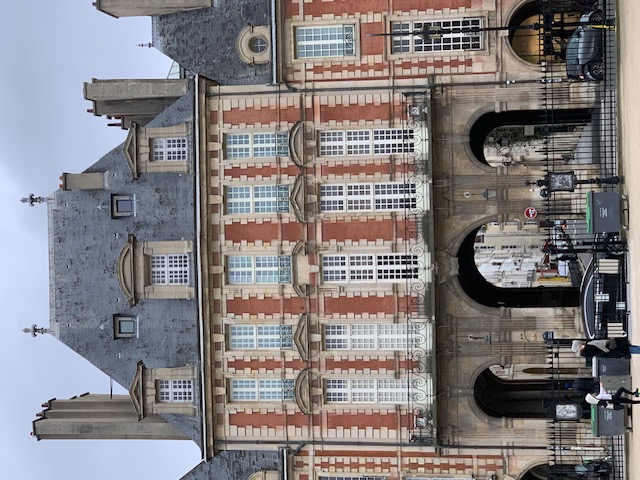
Place des Vosges is a calm seventeenth-century square of red brick, arcades and a green centre. At number 6 is the Maison de Victor Hugo, the writerʼs former apartment and now a small literary museum. Check visitor information. From Bastille begins the Promenade Plantée, officially the Coulée verte René-Dumont: greenery on a former railway line, with an elevated section above Avenue Daumesnil. A short walk towards Jardin de Reuilly is enough; check the City of Paris page for current access. Musée Rodin combines Hôtel Biron with a sculpture garden where The Thinker stands among lawns and roses. It is an excellent compact museum choice; see the Musée Rodin website for current details. Canal Saint-Martin offers a quieter Paris of locks, iron footbridges and waterside quays, pleasant in mild weather and for an unhurried lunch. Les Halles is a central, sheltered area for transport and shopping in poor weather. Centre Pompidouʼs main building is closed for renovation; consult the official website for temporary programmes and reopening information.
Frequently asked questions
How does public transport work?
After the first-day sightseeing bus, the Métro, ordinary buses and RER are usually the quickest and most flexible options. For occasional travel, a Navigo Easy card is often simplest: buy it at a Métro or RER station and load individual tickets onto it. Each traveller needs their own card. See RATP fares for current tickets and passes.
What should be booked?
Reserve time slots for Sainte-Chapelle, the Louvre and Musée dʼOrsay, and arrange an evening Seine cruise in advance. Notre-Dame is free, but a free official reservation helps during busy periods.
How can I keep Paris calmer?
Begin early at Notre-Dame, Sainte-Chapelle, Sacré-Cœur and major museums. Use the busy middle of the day for lunch, a garden, a terrace or a smaller museum. When central Paris feels crowded, Jardin des Plantes, Musée Rodin, Place des Vosges and the Promenade Plantée are good alternatives.
Is Paris safe?
Keep bags closed and close to you in crowded areas, on escalators, in the Métro and around major attractions. Buy tickets only through official channels. In an emergency, call 112; for police in France call 17, for medical assistance 15, and for the fire brigade 18. See official French visitor-safety guidance.
Official information sources
Before leaving the hotel, check opening times, temporary exhibitions, reservation requirements, weather and transport changes. Paris je t’aime — Official Paris Tourist Office RATP for Métro, buses, RER and disruptions Île-de-France Mobilités for journey planning and network information Notre-Dame de Paris Sainte-Chapelle The Louvre and Musée d’Orsay Muséum national d’Histoire naturelle and Jardin des Plantes Tootbus Paris Bateaux Parisiens Paris rewards not haste, but attention: a garden after a museum, a church before the crowds arrive, and time to look at the river before moving on.
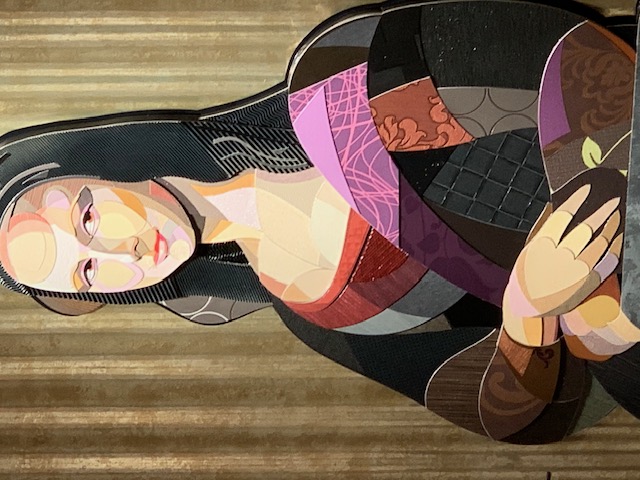
- In the Louvre there are so many paintings that you would do better to limit yourself to the highlights.
Written from Henk's own notes and approved by him, first visit 1968 · 10 visits to Paris · last in 2026.