London / Henk's guide
London: a relaxed visit
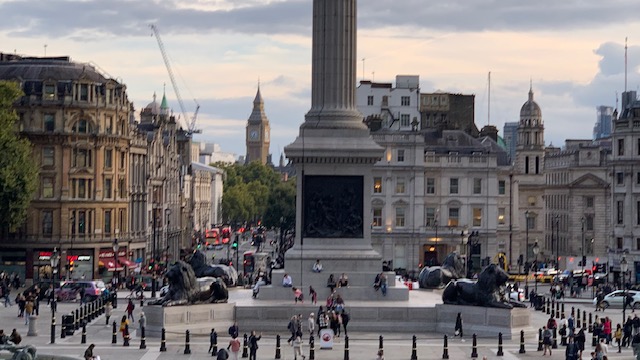
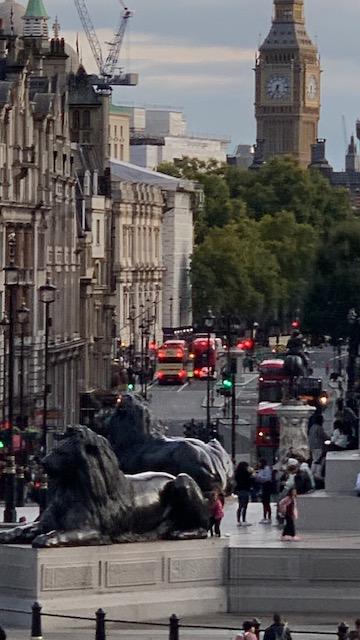
Trafalgar Square seen from the steps, with the column in the middle, the bronze lions and a clock tower in the distance. · Photo: Henk
London is close from the Netherlands, yet every time I return it feels immediately like another world. The red double-deckers, the traffic on the left, the pubs, the many kinds of beer and a simple pub meal: before I have visited a single museum or monument, the atmosphere is already different from home. That is also why I like coming back.
For me London still has the air of a former imperial capital.
Westminster, the great museums around South Kensington, the theatres and concert halls, the parks and the changing skyline give the city a scale that feels far larger than that of an ordinary European capital. The four UNESCO World Heritage sites — Westminster, the Tower of London, Maritime Greenwich and Kew Gardens — show how many layers of history come together here.
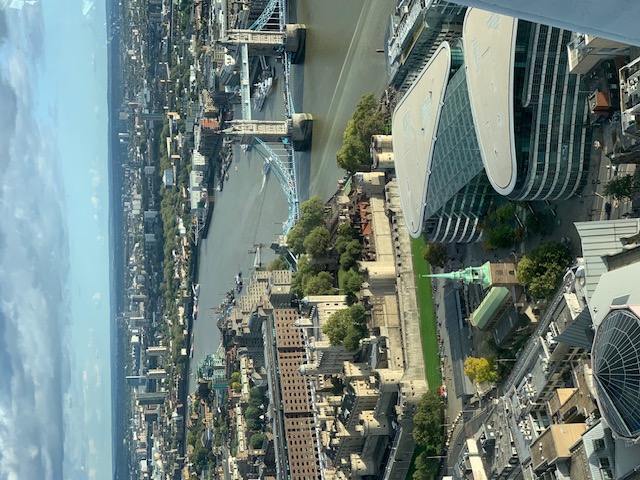
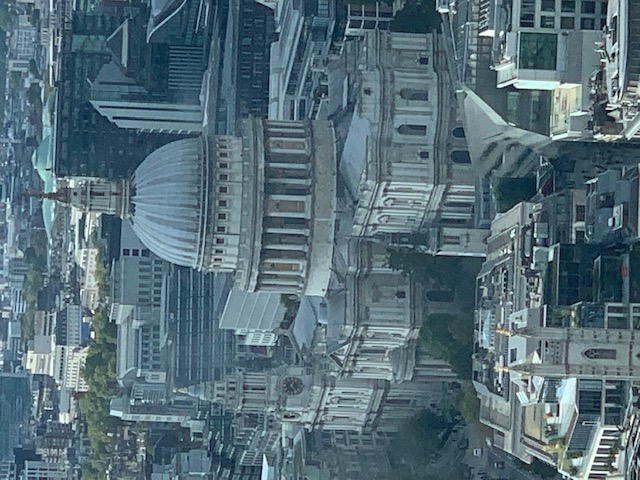
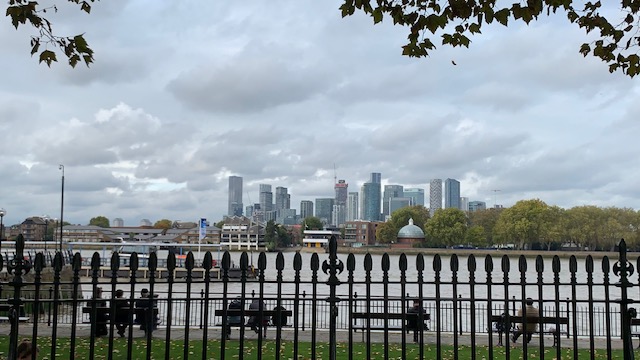
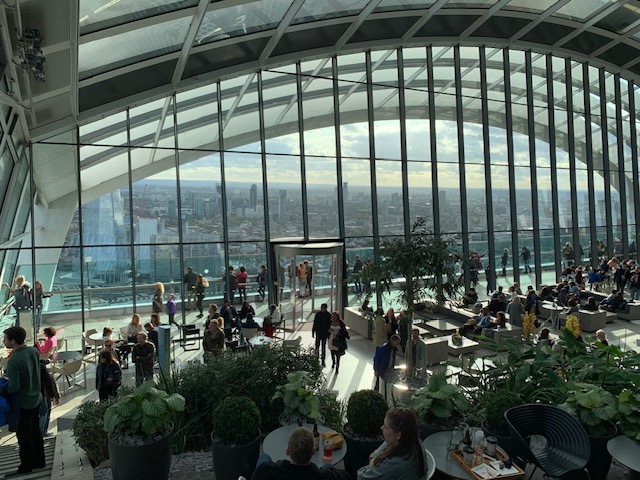
What strikes me most is how old and new meet each other constantly. At the Tower a medieval fortress stands directly opposite the towers of the City. Tate Modern, Millennium Bridge and St Paulʼs Cathedral connect an industrial past, modern art and a historic cathedral. In Greenwich I look out from historic surroundings towards Canary Wharf, while Sky Garden brings Londonʼs different layers together in a single panorama.
So I try not to experience London as one long series of separate sights. I would rather go for the feel of one coherent part of the city, with room for a park, a fine viewpoint and a performance in the evening. This guide follows that way of travelling: old and new London along the Thames, official Westminster and Buckingham Palace, the elegant London of South Kensington and Belgravia, and the city that plays on into the evening.
Check crowd forecasts for your dates →
London in layers: old, new and the view
The Tower and the City
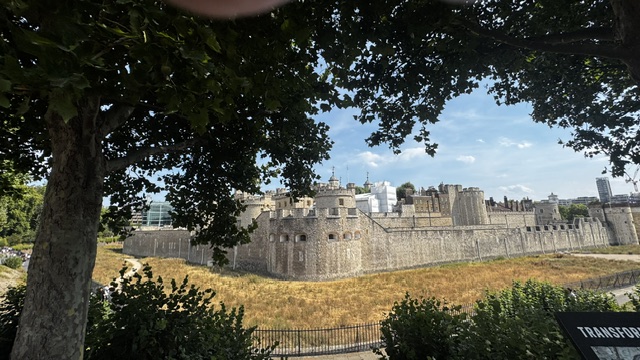
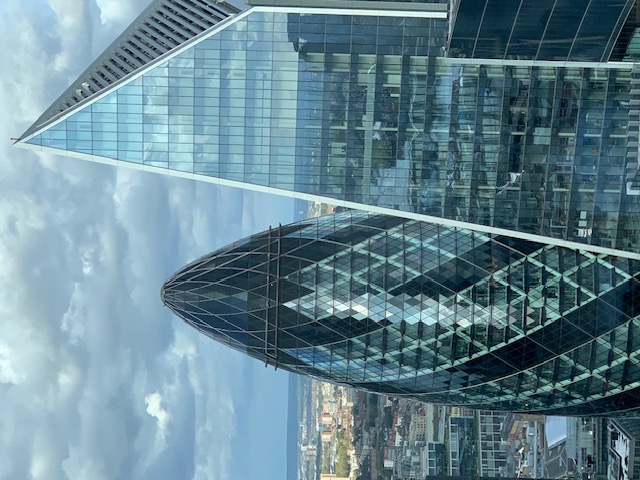
At the Tower of London I see the contrast between old and new perhaps at its sharpest. On one side stands the old fortress on the Thames: the London of kings, prisoners, power struggles and national history. The moment I look round, I see the City with its tall glass towers and a skyline that changes constantly. The Tower is not tucked safely away in a historic suburb, but sits in the middle of a city that has reinvented itself around it again and again. For me this is above all a strong opening scene: old London facing the modern financial city.
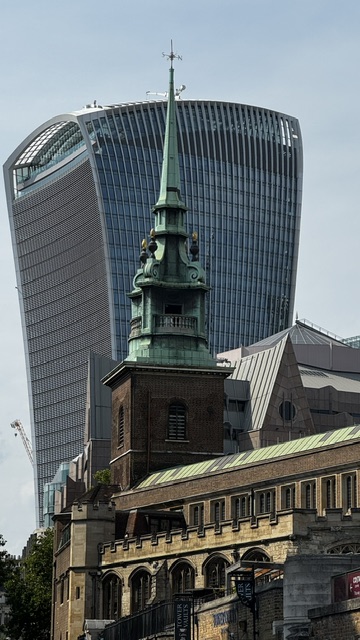
The Thames as a sightline
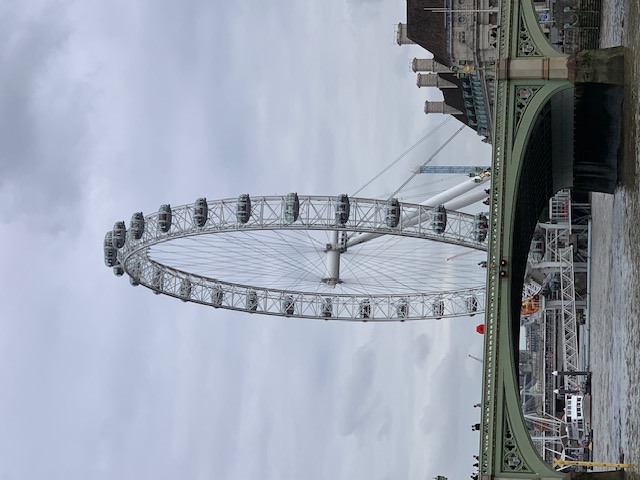
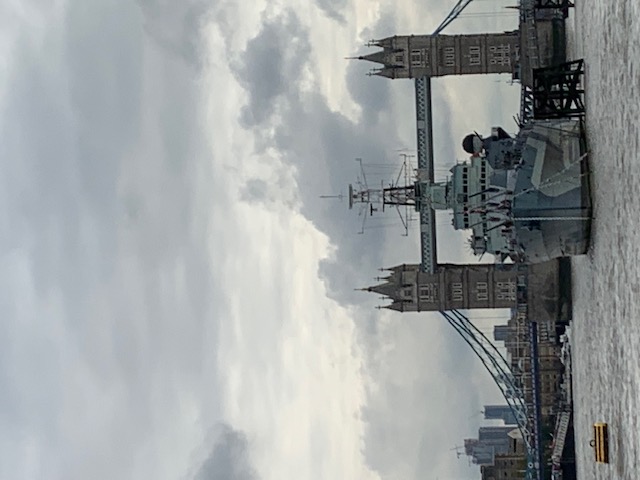
A long walk along the Thames is something I rarely recommend. On a map a route like that looks appealing, but in practice bridges, roads, crowds and detours cost a great deal of time and energy. Before long you are mainly occupied with walking. I prefer to use the Thames as a sightline and a practical connection. A River Bus gives you a view of bridges, quays, church towers and modern offices while you travel to the next part of the city at the same time. The connections run past Westminster, Tower, London Bridge City, Bankside and Greenwich among others.
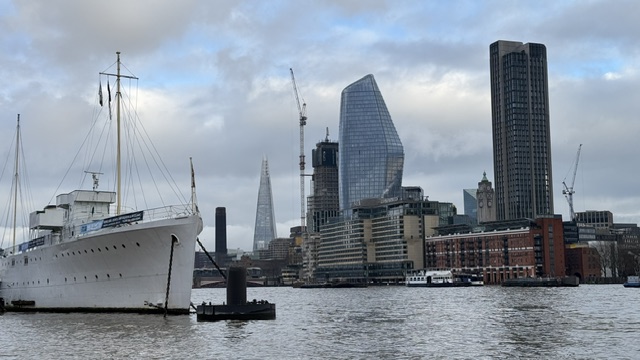
Tate Modern, Millennium Bridge and St Paul's
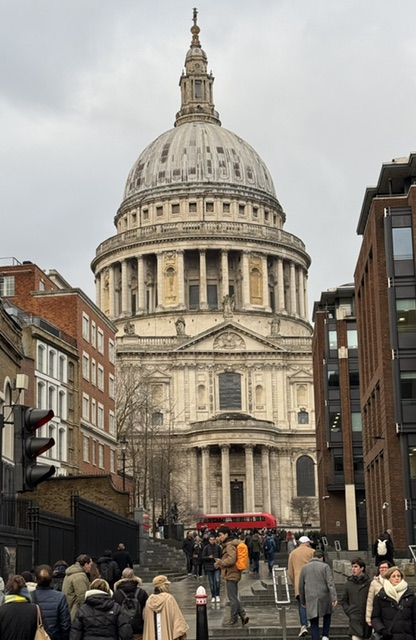
The finest short walk in this part of London is for me the one around Tate Modern, Millennium Bridge and St Paul's Cathedral. Tate Modern, housed in a former power station, shows well how London can give industrial heritage a new cultural purpose. Across the Millennium Bridge you walk straight towards St Paul's Cathedral in a few minutes. On this bridge I always take plenty of time. I look back at Tate Modern, at the Thames, and ahead to St Paul's. This short stretch tells me more about London than a walk of many kilometres along the bank. A quiet moment: I do not go to Tate Modern only for the art. I also take time to sit in the Turbine Hall or have something to drink before I walk on to the Millennium Bridge.
Greenwich, the cable car and Sky Garden
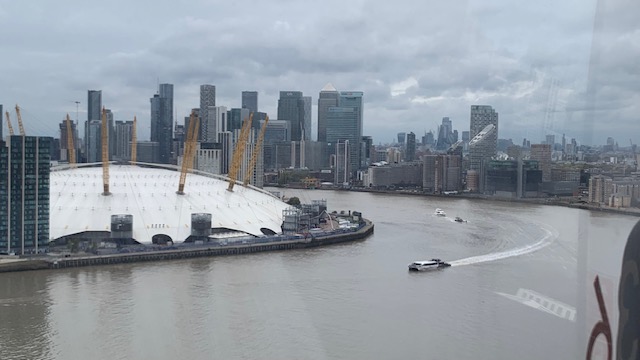
Greenwich is not a separate day or a chapter of its own for me. I see it as a wider second scene within the same story. The old buildings, the maritime past and the park form a calm counterpoint to the skyline of Canary Wharf and Docklands. At Greenwich I like to take the cable car across the Thames. The London Cable Car connects Greenwich Peninsula with Royal Docks and offers a view of the broad river, The O2 and the modern skyline of east London. I prefer to go out and back. For me the ride on the cable car is the point in itself. From the cabin you see particularly well how wide the Thames is and how old and new London exist side by side here. Sky Garden makes another attractive viewing moment. From a great height you see how the Thames, St Paul's, the City and the different districts form one whole. I only plan Sky Garden when an available time slot fits sensibly into my day; the view is beautiful, but I do not let it decide my whole programme.
Westminster and Buckingham Palace
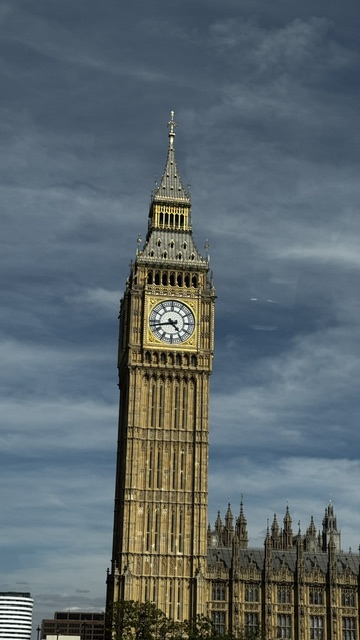
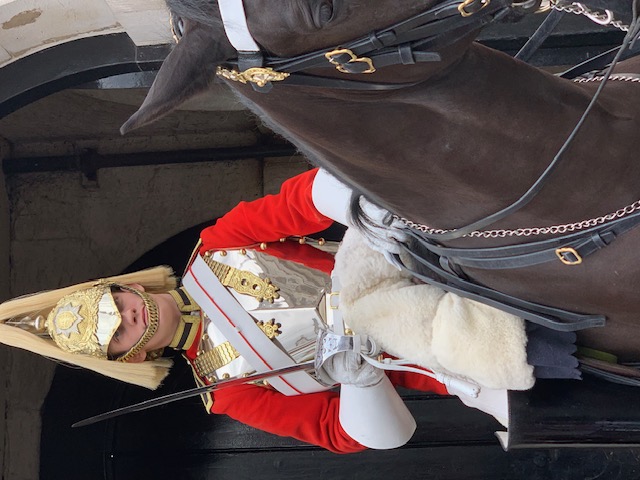
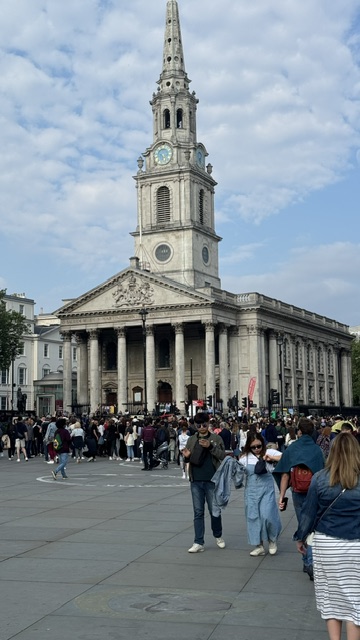
For me official London begins at Trafalgar Square. The square is spacious, open and monumental, with the National Gallery, St Martin-in-the-Fields and the streets of the West End around it. Here I feel something of the greatness of London: not through one building, but through space, sightlines and the way culture, traffic, tourists and history come together. I walk from Trafalgar Square via Admiralty Arch and The Mall to Buckingham Palace. That broad avenue is the ceremonial link between the city and the palace. Buckingham Palace comes with the changing of the guard. It is busy and you are never alone there, but I think you should experience this public ritual once all the same. Come in good time if you want a clear view. The ceremony usually begins around 11.00, but days and times can vary. So always check the current schedule just before you set off. After the ceremony I walk on through St James's Park. I find that a pleasant transition from bustle to calm. The park lies in the middle of the royal quarter, between Buckingham Palace, St James's Palace and Westminster. At Westminster Abbey I go inside. The entrance is steeply priced, but I think the visit is worth it. Not only for the church and the tombs of kings, but also for the cloister, Chapter House and College Garden. It is precisely those quieter spaces that give the Abbey a special, intimate atmosphere and offer a natural moment of rest. After that I walk past parliament and Big Ben to Whitehall. Via Horse Guards, where I admire the imperturbable soldiers in ceremonial dress on their horses, I return to Trafalgar Square. For lunch I like to go to Café in the Crypt, beneath St Martin-in-the-Fields. The crypt gives the meal atmosphere, the formula is quick and I stay close to the square. After that I find a short visit to the National Portrait Gallery a fine way to round things off. After all the great buildings I see there the faces of monarchs, writers, artists and politicians who give the British story a human face. General admission to the permanent collection is free.
South Kensington to Belgravia
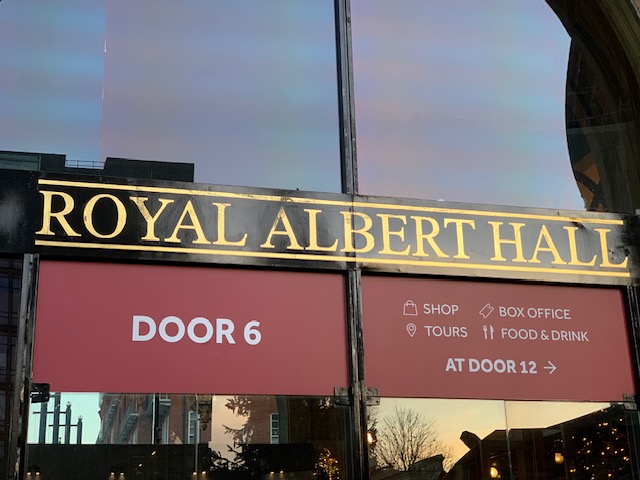
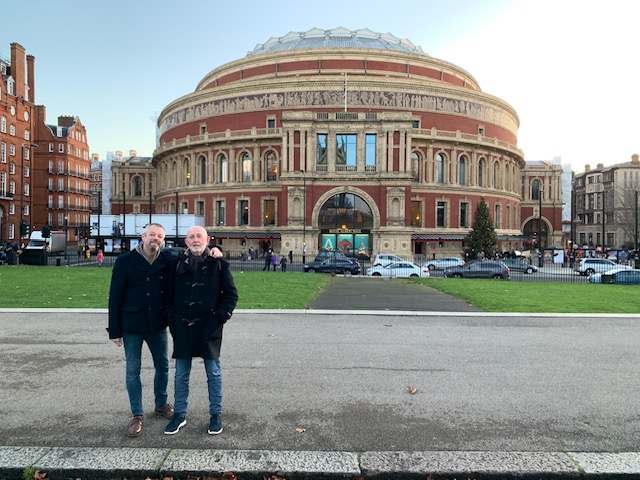
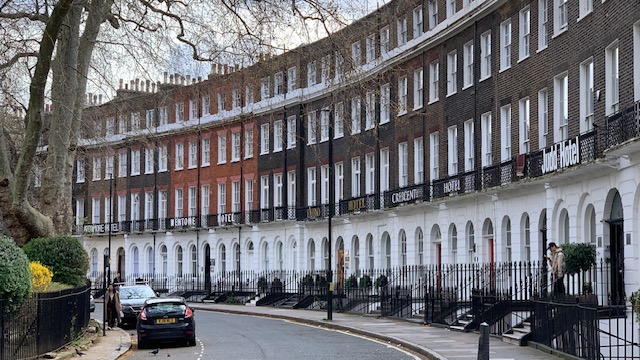
South Kensington, Knightsbridge, Sloane Square and Belgravia form a different London for me from Westminster or the City. Here it is less about power and skyline, and more about art, design, ways of living, elegant façades and wealth that shows itself quietly and as a matter of course. In South Kensington I deliberately choose one museum. For me that is the V&A, because art, fashion, design, interiors and craft come together there so well. It fits nicely with the walk that leads on to Knightsbridge and Belgravia afterwards. I do not try to see everything in the museum. A few rooms are enough; the neighbourhood outside matters just as much. General admission to the V&A is free. A quiet moment: after a few museum rooms I take time for one of the café spaces or the Garden Café at the V&A. That gives me energy for the rest of the neighbourhood, because all in all it becomes a fair walk. The Royal Albert Hall that I see next is enormous. The round hall from 1871 stands in the middle of the nineteenth-century cultural quarter of South Kensington and seats more than five thousand visitors. After that I head towards Knightsbridge. The smart department store Harrods belongs to this part of London, but I am not there to shop. I do walk in for the Food Halls: delicatessen, patisserie, fresh produce and culinary abundance. For me that is always a special experience. The finest part begins precisely when you leave the busy main streets again. Around Sloane Square and in Belgravia, London shifts from international luxury to quiet squares, stately façades and narrow mews. Behind the large houses there were once stables, coach houses and servants' quarters; today streets like these form a quiet counter-world beside Knightsbridge. I like to begin this part at Sloane Square and walk unhurriedly through a few residential streets and mews of Belgravia. If I still have enough energy, I also visit the Saatchi Gallery, where modern art suits the neighbourhood well.
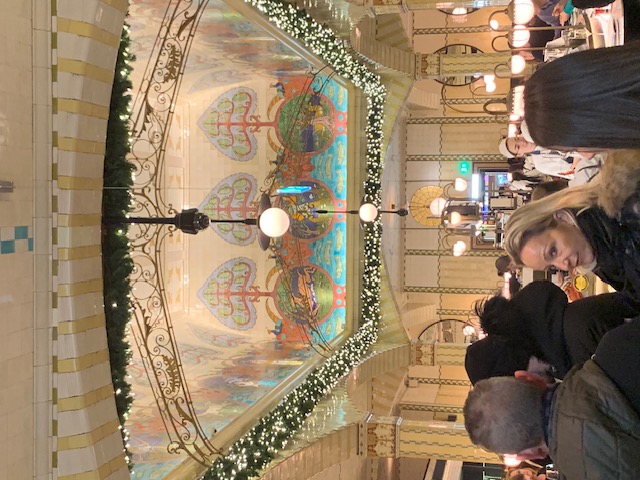
London plays on
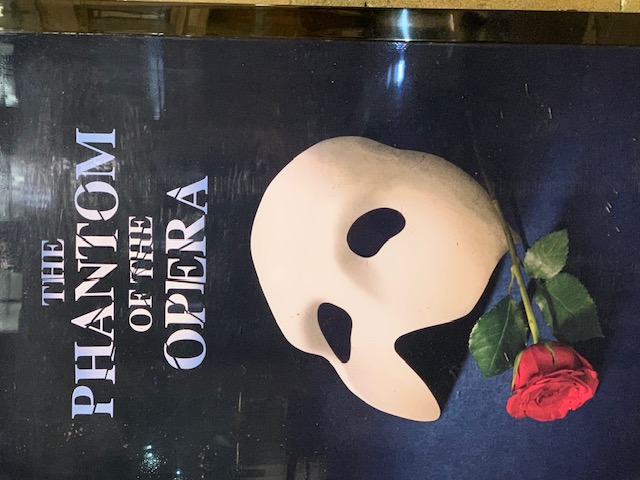
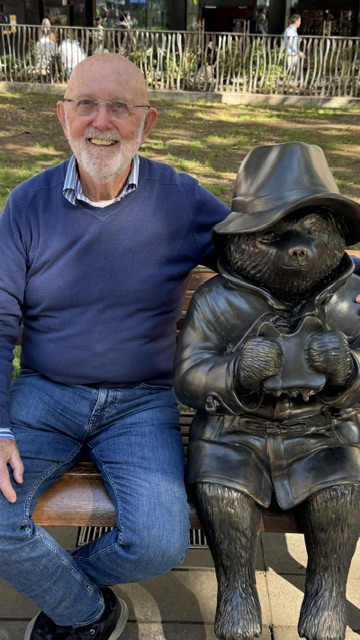
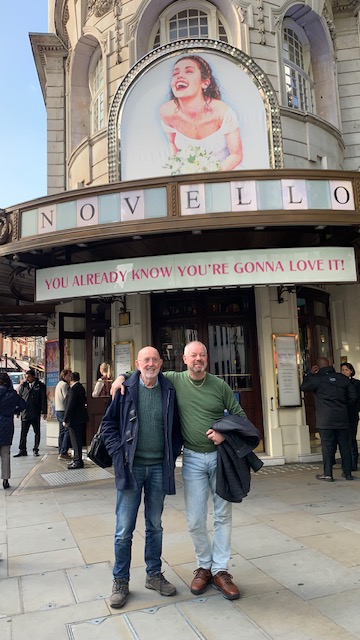
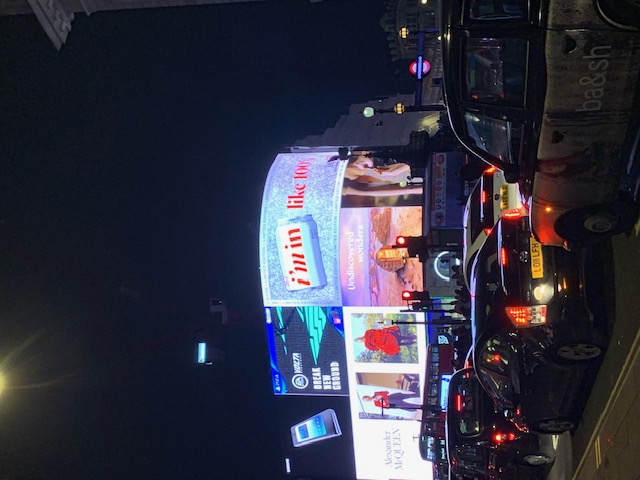
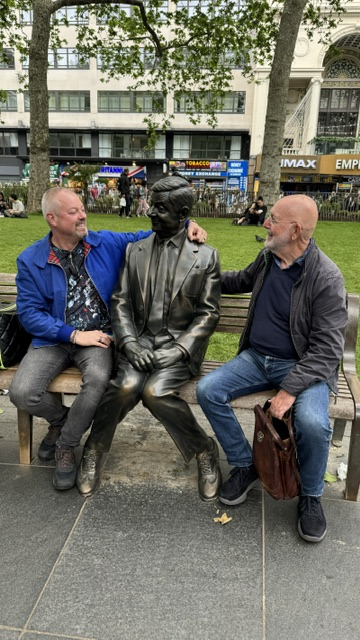
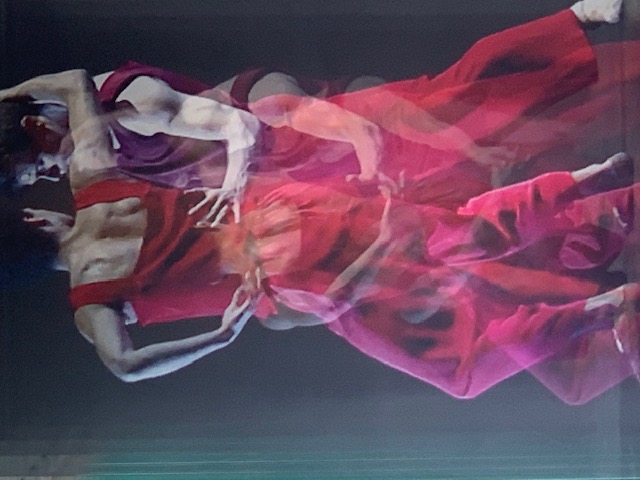
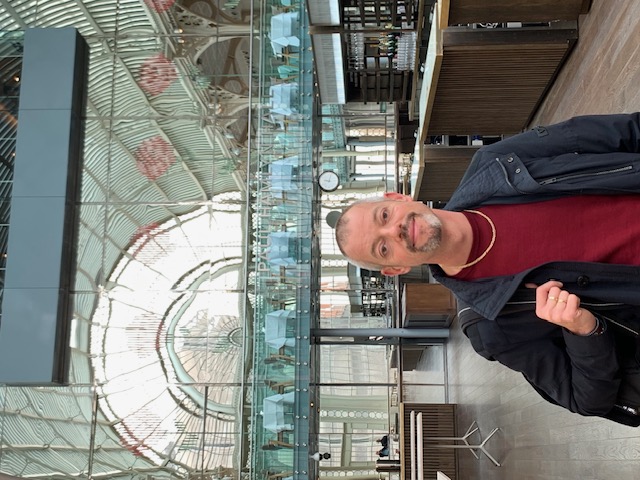
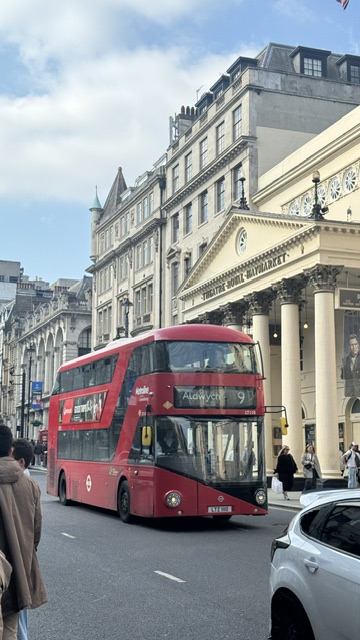
For me London is not only a city of museums and walks. I also like to go there because there is always something happening on stage: a musical in the West End, opera or ballet in Covent Garden, a concert in the Royal Albert Hall or a short recital. The Phantom of the Opera is a good example of this. I have been to this musical several times. That returning suits London: a familiar production in a familiar theatre can make the city special again every time. The musical premiered in 1986 at His Majesty's Theatre on Haymarket and is among the longest-running West End productions. For current performance dates, cast and ticket sales I always check the official site of the production or the theatre just before I travel. I have been to Mamma Mia! several times as well. TINA – The Tina Turner Musical was a special experience, but is no longer running. ABBA Voyage shows a quite different, modern London: a purpose-built arena by Queen Elizabeth Olympic Park, outside the classic West End. For that performance I allow plenty of time, given the location. Leicester Square is busy and full of advertising, but I also find it pleasant to sit there for a while. Around the Shakespeare fountain there are benches, and the statues from Scenes in the Square — including Mr Bean, Paddington, Mary Poppins and Indiana Jones — give the square a playful, cinematic side. If I am going to a performance in the evening, I deliberately keep the afternoon simple. For anyone who wants something other than a musical for once, opera and ballet at the Royal Opera House in Covent Garden are a good alternative. For a concert evening I look at the programme of the Royal Albert Hall.
Practical questions
Which app do I use for public transport in London?
Before I travel I download TfL Go, the official app of Transport for London. With it I can look at routes, current departure times and disruptions.
Which major sights ask for a time slot?
I only book what is essential for my visit: for example Westminster Abbey, Tower of London, Sky Garden and a musical, concert, opera or ballet performance. Westminster Abbey advises booking in advance, especially if you want to go at a busy moment. As a working church the Abbey can occasionally be closed to visitors.
Useful before you travel
I use TfL Go for current public transport information. For a museum that suits my day, I look at Museums London. For opening times, time slots, exhibitions and performances I always check the official website of the museum, theatre or monument itself. When I combine London with another destination in Great Britain, I consult VisitBritain. Official maps of the Tube, bus, River Bus and DLR I find at Transport for London.
In closing
London will never become entirely quiet for me. The city is large, busy, changeable and sometimes excessive. But when I do not try to see everything, I discover again and again why I want to come back: an old building facing a new skyline, a park after Westminster, a quiet mews behind Knightsbridge or a musical when the museums have already closed. London does not become smaller when I select. It only becomes easier to see.