Dubrovnik / Henk's guide
Dubrovnik
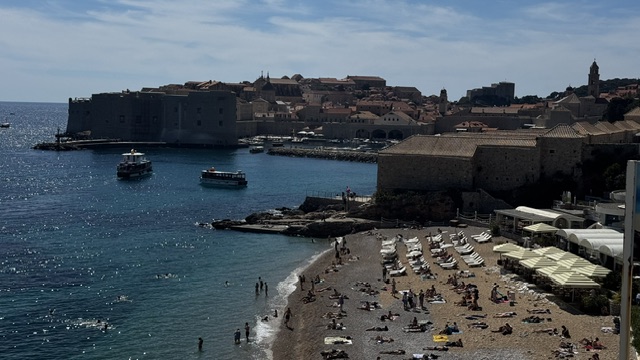
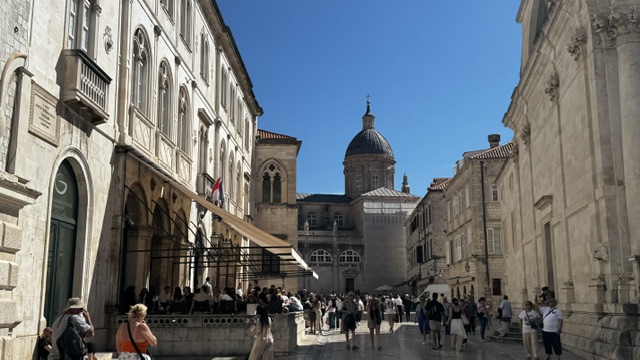
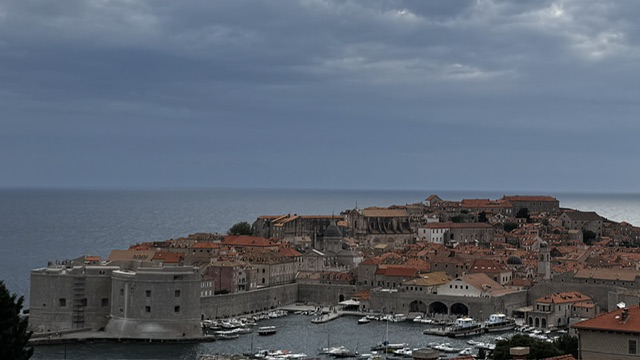
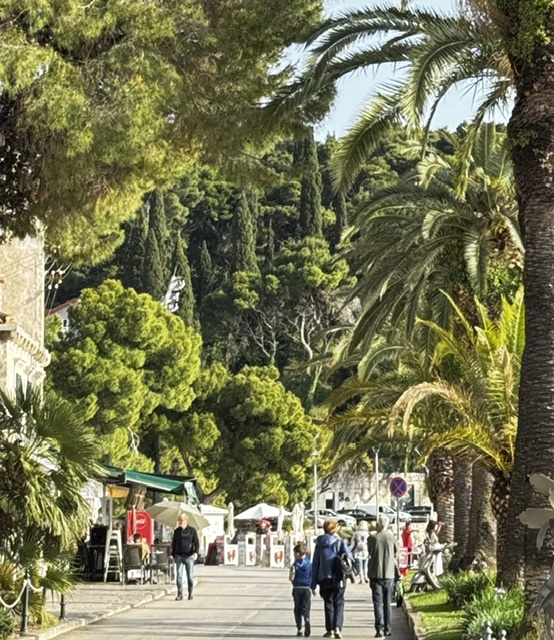
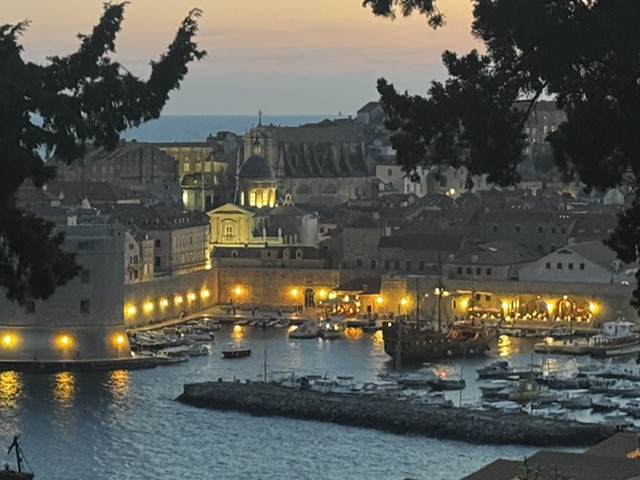
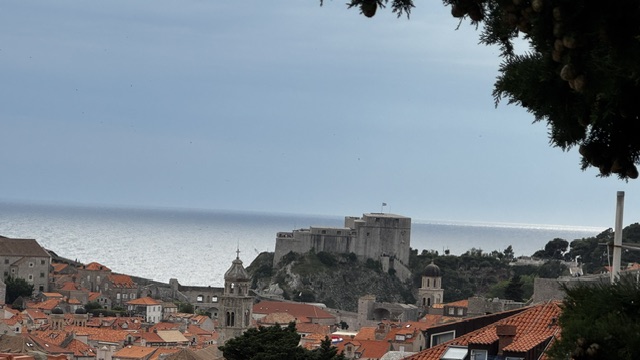
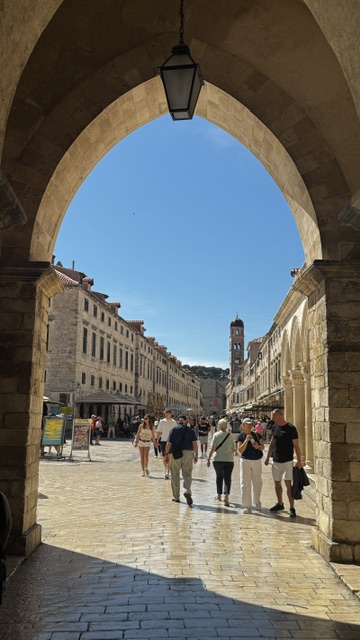
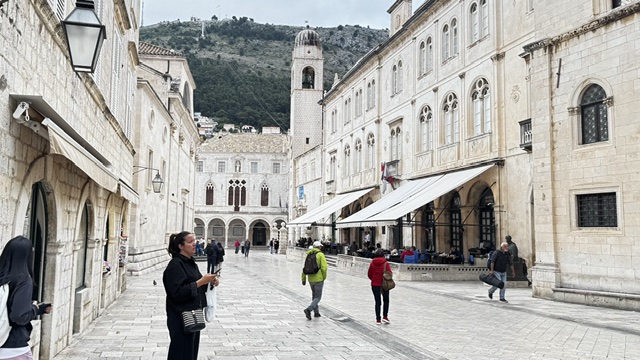
Dubrovnik. A relaxed visit with Avoid-Crowds Dubrovnik is remarkable because the history of a former maritime power is visible in a remarkably small space. Behind its walls, palaces, monasteries and squares stand close to a sheltered harbour. Stradun, the broad limestone-paved main street, runs through the Old City from Pile Gate in the west towards its former civic centre. Dubrovnik grew into a significant Mediterranean sea power from the 13th century onwards. Despite a devastating earthquake in 1667 and damage during the conflicts of the 1990s, its Gothic, Renaissance and Baroque buildings remain part of a coherent historic city. The Old City has been a UNESCO World Heritage Site since 1979.[unesco] That heritage draws large numbers of people into a confined area. The municipality had just over 40,000 residents at the 2021 census, while Dubrovnik recorded more than a million tourist arrivals in 2025. Hundreds of cruise ship calls added to the flow of visitors. These figures do not tell you how many people will be inside the walls at any given hour, but they help explain why Stradun and the gates can feel so busy during the day.[dubrovnik +2] For us, Dubrovnik came into its own as that daytime bustle faded. The light softened on the pale stone, and the Old City became a more enjoyable place to linger. We stayed in Ploče, the neighbourhood east of the city walls, where our apartment looked across the harbour towards the Old City and the sea. The view never lost its appeal. The walk back did: many properties in Ploče sit higher up the slope, and ours meant a steep return after each outing.
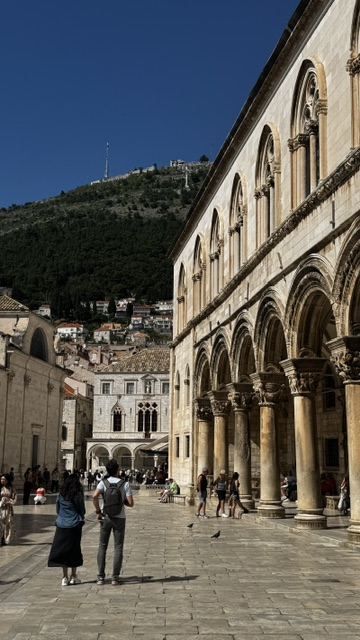
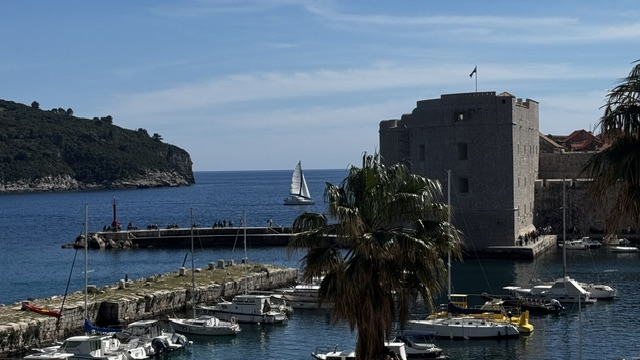
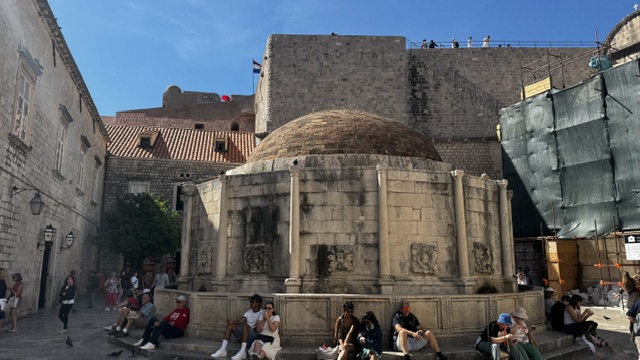
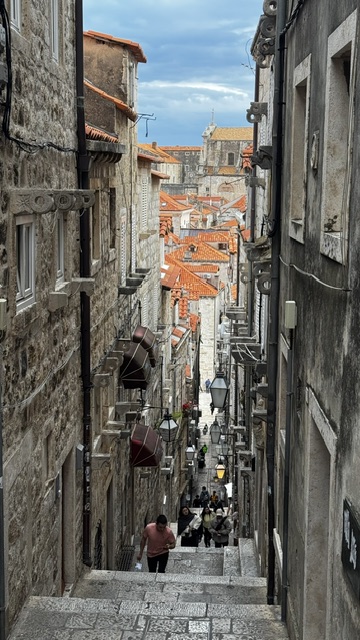
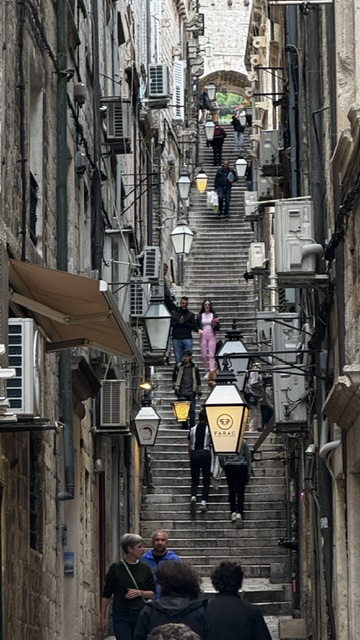
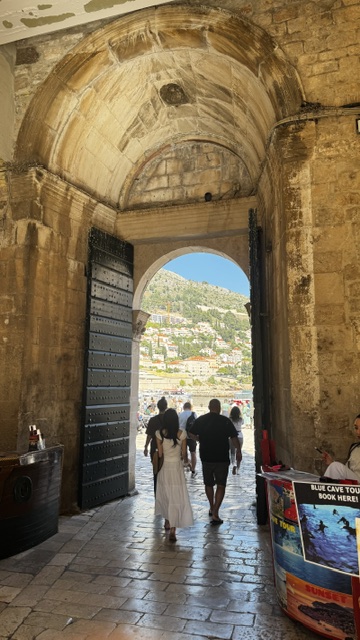
After two days, we felt we had seen enough of Dubrovnik itself. Four nights were too long for us, yet the evening was an excellent reason to stay for at least one.[Bijlage] Through the Old City For a first visit, the route from Pile Gate to the Old Port is short enough to take slowly and rich enough to fill much of a day. Follow Stradun towards Luža Square, looking into the lanes on either side. Their steps reveal something a map cannot: Dubrovnik’s main street is relatively level, but much of the city rises sharply away from it. You do not need to climb every attractive lane to understand the place.[Bijlage] Near Pile Gate, the Franciscan Monastery offers a change of pace. Its cloister, museum and historic pharmacy make a worthwhile stop just off the busy thoroughfare. We would leave it until Stradun grows busier rather than go straight inside on arrival. It gives you a quieter interval without sending you uphill in search of one.[Bijlage] At Stradun’s eastern end, Luža Square, Sponza Palace and Rector’s Palace bring the Republic of Ragusa into focus. Rector’s Palace was associated with the city’s government and now houses the Cultural History Museum. If you choose one museum, this is the one that gives the surrounding streets the most meaning: Dubrovnik’s walls protected not simply an attractive town, but a trading city with its own civic institutions and interests.[Bijlage +1] From the palace, the cathedral and Old Port are close by. Here the city’s history comes together in one view: its former centre of government behind you, fortifications around you and the sea ahead. The harbour can feel crowded when walking groups and excursion boats coincide. We would take a look during the day, then come back later rather than wait for the crowds to thin.[Bijlage] The city in the evening The usual advice for a busy destination is to arrive as early as possible. An early walk along Stradun can certainly be pleasant, but evening mattered more to us. As day visitors began to leave, we could take in the stone streets, walls and harbour without constantly moving with the crowd. The softer light changed the city as much as the quieter streets did.[Bijlage] That is why we would not pack the day so tightly that we were ready to leave by late afternoon. A museum visit or a long lunch can break up the busier hours. Afterwards, there is time for another walk along Stradun and down to the Old Port. If you leave Dubrovnik before evening, you may miss the hours we enjoyed most.
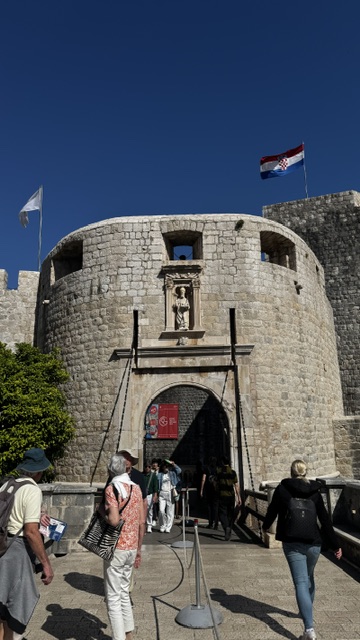
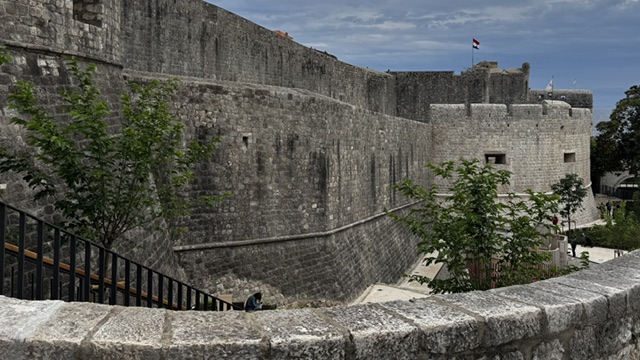
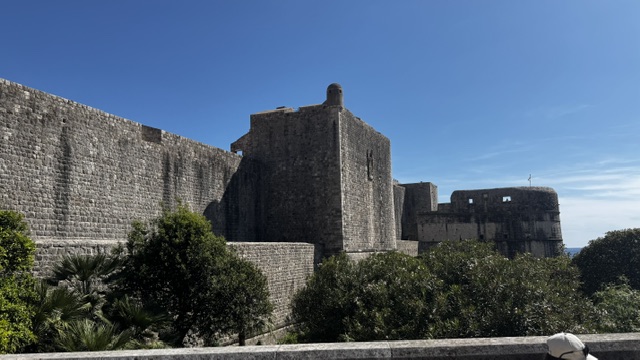
Before choosing a day, it is worth checking the Dubrovnik Port Authority’s cruise arrivals schedule. It lists expected calls rather than predicting exactly how busy the streets will be, and the port notes that schedules can change.[portdubrovnik] Short distances, demanding terrain Dubrovnik is compact, but compact does not mean easy to walk. Stradun and several nearby squares offer a relatively manageable route. A side street that looks a few steps away on a map may involve a long flight of stairs, while polished stone needs particular care when wet. If walking is difficult for you, the route you choose matters more than the number of sights you try to see.[Bijlage] The City Walls are a separate decision. They offer exceptional views across the roofs and the Adriatic, but the circuit is exposed and involves repeated climbs and descents. We would not treat it as an automatic addition to a day in the Old City. Give it a morning of its own if it suits your mobility and energy. Otherwise, the walls remain a powerful part of the experience from below, especially around the gates and harbour.[Bijlage] Dubrovnik’s accessibility information is a useful starting point, but an attraction described as accessible may still require assistance or have rooms you cannot reach. Ask museums and accommodation providers about entrances, thresholds, lifts and steps before booking.[experiencedubrovnik] Where we would stay now Our apartment in Ploče made the trade-off impossible to ignore. We had the view many visitors hope for, but after an evening in the Old City we still had a steep climb home. Where you sleep affects how much you can enjoy Dubrovnik’s quieter hours.[Bijlage] Looking back, one or two nights in Dubrovnik would have suited us better: enough time to explore its history during the day and experience the city after many day visitors had gone.
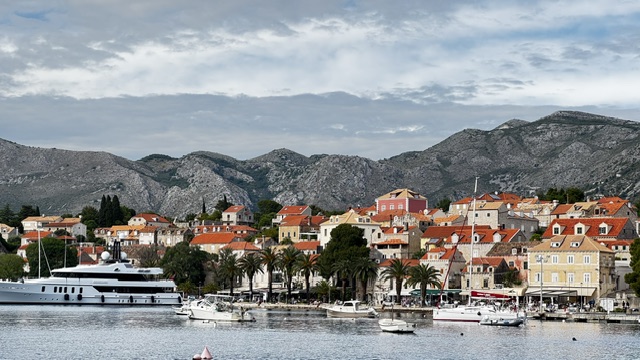
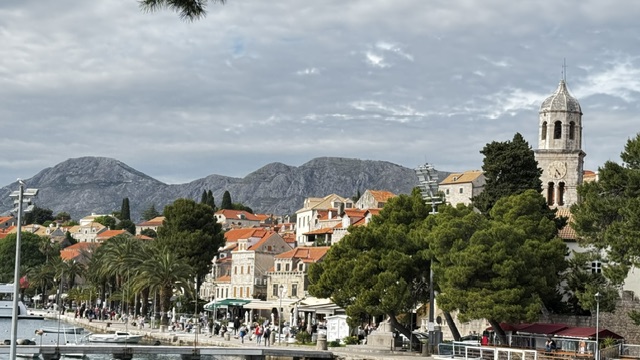
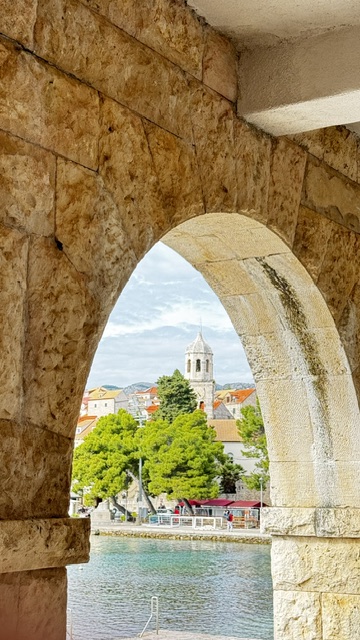
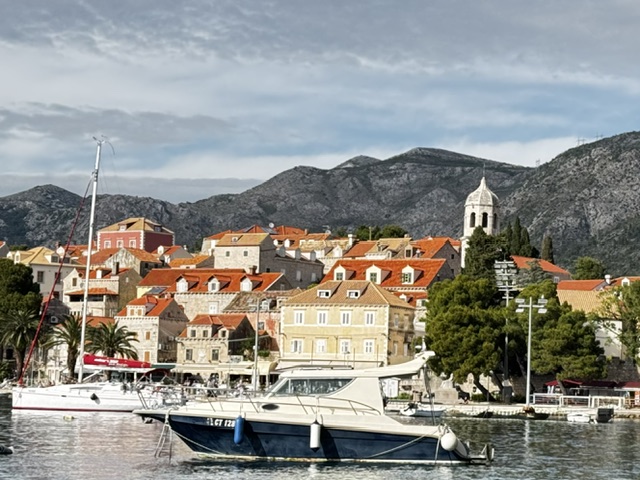
We would choose accommodation by the actual walking route from the gate, bus stop or taxi drop-off, not by its distance from the Old City on a map. Even an address within the walls can be awkward to reach with luggage.[Bijlage] For the remaining nights, we would choose Cavtat. We travelled there by regional bus and found an easier daily rhythm around its sheltered harbour, with cafés, small restaurants and room to sit by the water. After two days, we felt we had seen enough of Dubrovnik; we did not feel the same about our time in Cavtat.[Bijlage] That is how we would divide the trip now: stay in Dubrovnik long enough for its history and at least one evening within the walls, then give the rest of the stay to Cavtat. The right balance is not simply about avoiding crowds. It is about being there when Dubrovnik is at its best—and still having a comfortable way back at the end of the night.[Bijlage]
Check crowd forecasts for your dates →
Dubrovnik
Dubrovnik. A relaxed visit with Avoid-Crowds Dubrovnik is remarkable because the history of a former maritime power is visible in a remarkably small space. Behind its walls, palaces, monasteries and squares stand close to a sheltered harbour. Stradun, the broad limestone-paved main street, runs through the Old City from Pile Gate in the west towards its former civic centre. Dubrovnik grew into a significant Mediterranean sea power from the 13th century onwards. Despite a devastating earthquake in 1667 and damage during the conflicts of the 1990s, its Gothic, Renaissance and Baroque buildings remain part of a coherent historic city. The Old City has been a UNESCO World Heritage Site since 1979.[unesco] That heritage draws large numbers of people into a confined area. The municipality had just over 40,000 residents at the 2021 census, while Dubrovnik recorded more than a million tourist arrivals in 2025. Hundreds of cruise ship calls added to the flow of visitors. These figures do not tell you how many people will be inside the walls at any given hour, but they help explain why Stradun and the gates can feel so busy during the day.[dubrovnik +2] For us, Dubrovnik came into its own as that daytime bustle faded. The light softened on the pale stone, and the Old City became a more enjoyable place to linger. We stayed in Ploče, the neighbourhood east of the city walls, where our apartment looked across the harbour towards the Old City and the sea. The view never lost its appeal. The walk back did: many properties in Ploče sit higher up the slope, and ours meant a steep return after each outing. After two days, we felt we had seen enough of Dubrovnik itself. Four nights were too long for us, yet the evening was an excellent reason to stay for at least one.[Bijlage] Through the Old City For a first visit, the route from Pile Gate to the Old Port is short enough to take slowly and rich enough to fill much of a day. Follow Stradun towards Luža Square, looking into the lanes on either side. Their steps reveal something a map cannot: Dubrovnik’s main street is relatively level, but much of the city rises sharply away from it. You do not need to climb every attractive lane to understand the place.[Bijlage] Near Pile Gate, the Franciscan Monastery offers a change of pace. Its cloister, museum and historic pharmacy make a worthwhile stop just off the busy thoroughfare. We would leave it until Stradun grows busier rather than go straight inside on arrival. It gives you a quieter interval without sending you uphill in search of one.[Bijlage] At Stradun’s eastern end, Luža Square, Sponza Palace and Rector’s Palace bring the Republic of Ragusa into focus. Rector’s Palace was associated with the city’s government and now houses the Cultural History Museum. If you choose one museum, this is the one that gives the surrounding streets the most meaning: Dubrovnik’s walls protected not simply an attractive town, but a trading city with its own civic institutions and interests.[Bijlage +1] From the palace, the cathedral and Old Port are close by. Here the city’s history comes together in one view: its former centre of government behind you, fortifications around you and the sea ahead. The harbour can feel crowded when walking groups and excursion boats coincide. We would take a look during the day, then come back later rather than wait for the crowds to thin.[Bijlage] The city in the evening The usual advice for a busy destination is to arrive as early as possible. An early walk along Stradun can certainly be pleasant, but evening mattered more to us. As day visitors began to leave, we could take in the stone streets, walls and harbour without constantly moving with the crowd. The softer light changed the city as much as the quieter streets did.[Bijlage] That is why we would not pack the day so tightly that we were ready to leave by late afternoon. A museum visit or a long lunch can break up the busier hours. Afterwards, there is time for another walk along Stradun and down to the Old Port. If you leave Dubrovnik before evening, you may miss the hours we enjoyed most. Before choosing a day, it is worth checking the Dubrovnik Port Authority’s cruise arrivals schedule. It lists expected calls rather than predicting exactly how busy the streets will be, and the port notes that schedules can change.[portdubrovnik] Short distances, demanding terrain Dubrovnik is compact, but compact does not mean easy to walk. Stradun and several nearby squares offer a relatively manageable route. A side street that looks a few steps away on a map may involve a long flight of stairs, while polished stone needs particular care when wet. If walking is difficult for you, the route you choose matters more than the number of sights you try to see.[Bijlage] The City Walls are a separate decision. They offer exceptional views across the roofs and the Adriatic, but the circuit is exposed and involves repeated climbs and descents. We would not treat it as an automatic addition to a day in the Old City. Give it a morning of its own if it suits your mobility and energy. Otherwise, the walls remain a powerful part of the experience from below, especially around the gates and harbour.[Bijlage] Dubrovnik’s accessibility information is a useful starting point, but an attraction described as accessible may still require assistance or have rooms you cannot reach. Ask museums and accommodation providers about entrances, thresholds, lifts and steps before booking.[experiencedubrovnik] Where we would stay now Our apartment in Ploče made the trade-off impossible to ignore. We had the view many visitors hope for, but after an evening in the Old City we still had a steep climb home. Where you sleep affects how much you can enjoy Dubrovnik’s quieter hours.[Bijlage] Looking back, one or two nights in Dubrovnik would have suited us better: enough time to explore its history during the day and experience the city after many day visitors had gone. We would choose accommodation by the actual walking route from the gate, bus stop or taxi drop-off, not by its distance from the Old City on a map. Even an address within the walls can be awkward to reach with luggage.[Bijlage] For the remaining nights, we would choose Cavtat. We travelled there by regional bus and found an easier daily rhythm around its sheltered harbour, with cafés, small restaurants and room to sit by the water. After two days, we felt we had seen enough of Dubrovnik; we did not feel the same about our time in Cavtat.[Bijlage] That is how we would divide the trip now: stay in Dubrovnik long enough for its history and at least one evening within the walls, then give the rest of the stay to Cavtat. The right balance is not simply about avoiding crowds. It is about being there when Dubrovnik is at its best—and still having a comfortable way back at the end of the night.[Bijlage]
- When the light becomes softer on the pale stone, the old city becomes much better to hang around in.
- When the daytime bustle is over, Stradun and the gates become much more pleasant to walk around.
Written from Henk's own notes and approved by him, first visit 2026 · 1 visits to Dubrovnik · last in 2026.